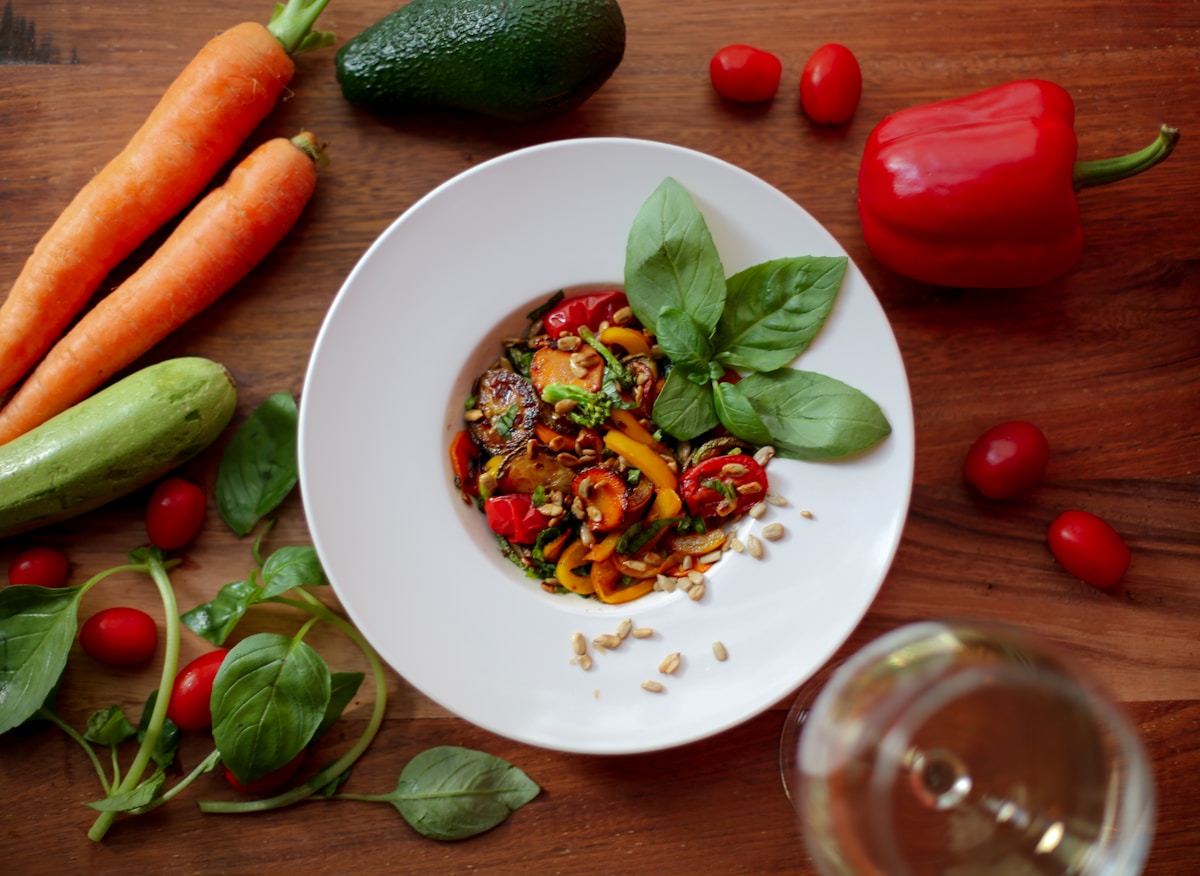
Amasya presents a moderate challenge for vegan eating - the north Anatolian cooking tradition is meat and dairy-heavy; the celebrated local products (fresh trout, tulum cheese, clotted cream with honey) are mostly non-vegan; and the restaurant scene is not large enough to have developed dedicated vegan options. The saving grace is the standard Turkish lokanta baseline and the extraordinary quality of the local plant-based produce - the Amasya apple, the local honey (not vegan under strict definitions but available), and the valley market produce.
The lokanta baseline
The standard Turkish lokanta provides reliable plant-based options through the zeytinyağlı (olive oil) tradition. In Amasya’s lokantas:
Reliable vegan options:
- Mercimek çorbası - red lentil soup; confirm no butter at finishing: “Tereyağsız olsun”
- Kuru fasulye - dried beans in tomato; check stock: “Et suyu var mı?”
- Zeytinyağlı fasulye - beans in olive oil and tomato
- İmam bayıldı - stuffed aubergine in olive oil (Ottoman classic)
- Bulgur pilavı - cracked wheat; confirm no butter
- Nohut yemeği - chickpea stew; check if meat-stock-based
Best approach: Ask “Zeytinyağlı yemekleriniz var mı?” (Do you have olive-oil dishes?) and request the day’s options. Lokantas with zeytinyağlı menus will list them - spring and summer bring more vegetable preparations.
The Amasya apple advantage
The apple is the specifically vegan highlight of Amasya - entirely plant-based and genuinely exceptional.
Fresh apples (September–October): ₺20–60/kg. The most satisfying snack available in the city during harvest season.
Apple products: The jam (elma reçeli), dried apple (kurutulmuş elma), apple cider vinegar, and apple molasses (elma pekmezi) are all plant-based and make excellent purchases. The apple molasses spread on bread is one of the better vegan breakfasts in Amasya.
Apple tea (elma çayı): The genuine version (dried or fresh local apple steeped) is vegan and good. The synthetic tea-bag version is also vegan but irrelevant.
Market produce
The Amasya market and bazaar area has seasonal produce from the Yeşilırmak valley - good in spring and summer (tomatoes, peppers, aubergine, courgette), exceptional in autumn (apples, local walnuts, dried figs). Self-catering from the market is the best vegan eating strategy for multi-day stays.
Walnuts (ceviz): The walnut orchards in the surrounding valley produce local walnuts - fresh in October, dried year-round. Excellent quality; ₺150–300/kg.
Fresh herbs: Mountain herbs (kekik - thyme; nane - mint; fesleğen - basil in summer) from the valley market.
Breakfast navigation
The Amasya breakfast is dairy-centric (cheeses, eggs, butter). Vegan components that are reliably present:
- Zeytin (olives) - always present and always vegan
- Domates, salatalık (tomato, cucumber) - standard
- Ekmek (bread) - usually vegan (confirm no dairy fat - “Tereyağsız ekmek var mı?”)
- Elma (apple) - specifically Amasya: this is the vegan highlight of the breakfast spread in season
- Elma pekmezi (apple molasses) - vegan; ask at the hotel if they have it
A breakfast of olives, tomatoes, cucumber, bread, and fresh apple with apple molasses tea is entirely vegan and adequately satisfying.
Trout - not applicable
Fresh Amasya trout is the local culinary celebrity. It is obviously not vegan. The riverfront restaurant alternative for plant-based diners: a zeytinyağlı meze selection (hummus, muhammara if available, tabbouleh, white bean salad) with bread. Not as specifically Amasya as the trout, but available at most riverfront restaurants.
Turkish vocabulary for Amasya
| Turkish | Meaning |
|---|---|
| Vegan yemek var mı? | Do you have vegan food? |
| Et ve balık yok | No meat and no fish |
| Süt ürünleri yok | No dairy products |
| Tereyağsız | Without butter |
| Zeytinyağlı | Cooked in olive oil |
| Elma pekmezi var mı? | Do you have apple molasses? |
| Bu vegan mı? | Is this vegan? |
Practical summary
Amasya is manageable for vegans on a short stay - the apple and local produce are the genuine highlights; the lokanta baseline covers lunch adequately; breakfast requires navigating a dairy-centric spread by identifying the plant-based components. For a longer stay, self-catering from the market (apple, walnuts, local vegetables, bread, olive oil) is the most satisfying approach. The restaurant scene has minimal dedicated vegan options but the zeytinyağlı tradition is accessible everywhere.
The specific vegan case for Amasya: no other city in Turkey offers the combination of genuinely extraordinary apples, walnut orchards, mountain honey (available if dietary position allows), and a market-based produce culture at this quality level. For plant-based travellers who enjoy cooking or self-catering, Amasya in apple harvest season is one of the better places to be.
Make the most of the food scene: Book a food tour of Amasya to sample the standout local spots with a guide who knows where residents actually eat. An eSIM for Turkey keeps you connected for navigating neighbourhoods and checking restaurant hours on the go.