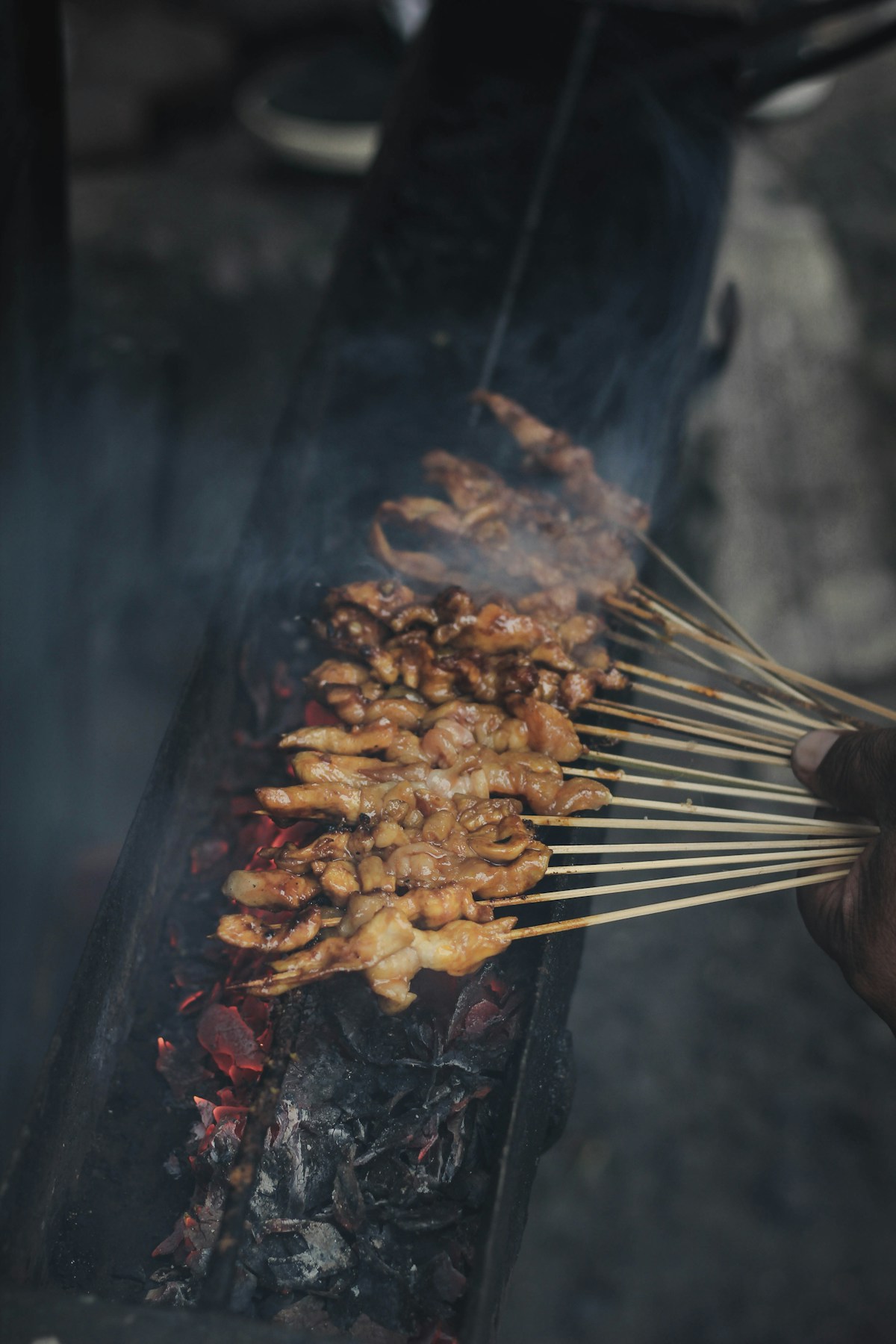
Çanakkale’s food culture is shaped by its position on the northern Aegean - cooler water than the Mediterranean coast means different fish species; the agricultural plain behind the city produces specific local varieties; and the proximity to the Edremit Gulf and the Biga Peninsula gives access to excellent olive oil. Three products define what is specifically Çanakkale: the tomato, the Ezine cheese, and Bozcaada wine.
Çanakkale tomatoes
The Çanakkale domatesi is Turkey’s most famous local tomato - a protected geographical indication product from the Çanakkale plain, grown in the sandy alluvial soil that produces a fruit with exceptional sweetness and a distinctive thick, intensely red skin.
Why it’s different: The combination of the local sandy soil, the Aegean climate, and the traditional growing methods creates a tomato with sugar content and flavour intensity that distinguishes it from ordinary commercial varieties. When Turks across the country refer to “the best tomatoes,” they often mean Çanakkale.
Season: June–September for peak quality. Available in the city market and from roadside stalls throughout this period.
The correct approach: Eat Çanakkale tomatoes as simply as possible - sliced, with good local olive oil, salt, and fresh bread. The tomato is sufficient; no recipe improvements are needed.
Ezine cheese (Ezine peyniri)
Ezine is a district 80km south of Çanakkale producing one of Turkey’s most distinctive cheeses - a white brine cheese (beyaz peynir) made from the milk of sheep and goats grazing the Ezine plateau. The protected geographical indication requires at least 40% sheep’s milk.
Character: Saltier, more complex, and more flavourful than factory cow’s milk beyaz peynir. The fat structure is different - more cohesive, with a characteristic tang from the sheep’s milk.
In Turkish breakfast culture: The best Ezine cheese with Çanakkale tomatoes, olives, and good bread is one of the finest Turkish breakfast combinations. The contrast between the salty cheese and the sweet tomato is the defining flavour pairing.
Where to buy: Cheese shops in the Çanakkale market and on the main commercial street. ₺120–200/kg. The Ezine district’s own market (if passing through on the Assos road) has the widest selection and lowest prices.
Bozcaada wine
Bozcaada (ancient Tenedos) has a wine production tradition going back to antiquity - the island’s wines were traded throughout the ancient Aegean world and mentioned in ancient texts. Modern Bozcaada wine is produced by several small wineries using both the local Karalahna grape and international varieties.
The wine: Primarily red - medium-bodied with herbal notes, sometimes tannic, reflecting the island’s volcanic soil character. Whites (Vasilaki grape) and rosés are also produced.
Where to drink it: On the island itself, in the harbour restaurants. In Çanakkale, wine shops carry Bozcaada labels (₺150–350/bottle); several waterfront restaurants have it on the wine list.
Context: Turkish wine culture is growing; Bozcaada is one of the historic wine islands and its wines represent a specific terroir rather than industrial production.
Northern Aegean fish
The fish in Çanakkale reflects the cooler northern Aegean:
Bluefish (lüfer): October–January; the prize of the Turkish fishing season. Migratory - follows the anchovy schools through the Dardanelles.
Anchovy (hamsi) and mackerel (uskumru): Autumn into winter; the characteristic northern Aegean seasonal fish.
Horse mackerel (istavrit): Year-round; plentiful, cheap, excellent flavour when fresh. The fish sandwich (balık ekmek) at the harbour is typically made with istavrit or uskumru.
Red mullet (barbunya): Spring; small and intensely flavoured, grilled whole.
Dardanelles strait fish: The migratory fish species (bluefish, bonito, mackerel) pass through the Dardanelles on seasonal migrations. The strait concentrates them - which is why the fish markets around the Dardanelles and Bosphorus are particularly good in season.
Olive oil culture
The Edremit Gulf (200km south of Çanakkale) and the Biga Peninsula (the land between the Dardanelles and the Marmara) produce significant olive oil. The Edremit oil is among Turkey’s most valued - a specific character of olive (the Edremit/Ayvalık olive, pressed for extra virgin oil) is recognised with geographical indication.
In Çanakkale: Local olive oil is available at the market - open-tin sales of fresh-pressed oil at ₺80–160/litre. Not the famous Ayvalık oil but from the same broad geographical tradition.
Breakfast culture
Turkish breakfast in Çanakkale at its best: Ezine cheese, Çanakkale tomatoes, olives from the local market, fresh bread, honey, and tea. This is the local version of the Turkish breakfast - specific products, not generic hotel buffet. The market-area breakfast spots serve it from ₺80–150/person.
Drink culture
Bozcaada wine: The local wine option - available at waterfront restaurants and wine shops.
Rakı: Standard meze pairing - ₺80–180/glass at restaurants.
Çay: The city’s social lubricant - ₺20–35 at the çay bahçesi.
University café culture: The student population drives a café culture in Çanakkale - coffee shops, cheap menus, and a young atmosphere. Several waterfront cafes and university-area spots serve proper coffee (₺40–80) and student-priced food.
Dishes and products to try in Çanakkale
Balık ekmek (fish sandwich)
The Çanakkale harbour fish sandwich is Turkish street food at its simplest - a grilled fish fillet (usually mackerel or horse mackerel), lemon, tomato, and parsley in a white bread roll. Common at the harbour area stalls. ₺60–100.
Midye dolma (stuffed mussels)
Stuffed mussels from the harbour area - ₺20–30 each. A quick lunch or snack. Only eat at busy stalls with high turnover.
Helva and sweets
Tahin helva (sesame halva) is widely available in the Çanakkale market - a dense, sweet confection from tahini. ₺80–150/kg. Buy from market stalls with visible freshness rather than packaged versions.
The breakfast combination
The locally specific breakfast worth seeking out: Ezine cheese + Çanakkale tomato + local olives + fresh bread. The contrast between the salty sheep’s milk cheese and the sweet Çanakkale tomato is the defining flavour pairing of this city. Available at market-area breakfast spots from ₺80–150/person.
Price summary
| Food | Where | Cost |
|---|---|---|
| Çanakkale tomatoes | Market | ₺20–40/kg |
| Ezine cheese | Cheese shop | ₺120–200/kg |
| Bozcaada wine | Wine shop | ₺150–350/bottle |
| Fresh fish dinner for two | Waterfront restaurant | ₺450–800 |
| Midye dolma (each) | Harbour cart | ₺20–30 |
| Balık ekmek (fish sandwich) | Harbour stall | ₺60–100 |
| Meze spread (for two) | Restaurant | ₺300–550 |
Make the most of the food scene: Book a food tour of Çanakkale to sample the standout local spots with a guide who knows where residents actually eat. An eSIM for Turkey keeps you connected for navigating neighbourhoods and checking restaurant hours on the go.