Food to Try in Istanbul: 20 Dishes You Should Not Leave Without Eating
Book an experience
Things to do here
The top-rated tours and activities here — all with instant confirmation and free cancellation on most bookings.
Istanbul’s food culture is one of the most layered in the world — the product of 500 years of Ottoman imperial cooking, waves of migration from across Anatolia, and a city of 16 million with a serious relationship to eating. This guide covers the dishes and foods you should actively seek out rather than stumble into. Prices are street-level; restaurants charge more.
For where to eat these dishes, see our best restaurants in Istanbul guide. For vegan eating specifically, see Istanbul vegan food.
The essentials
Simit
Istanbul’s street bread — a sesame-encrusted ring sold from red-painted carts and glass cases at every street corner. Eat it plain (₺5–8), or buy from a street cart and pair with a glass of çay (tea, ₺5–15). The best simit is slightly soft inside with a properly caramelised crust. The chain Simit Sarayı offers a consistent and cheap version; the independent cart variety is usually better.
Balık ekmek (fish sandwich)
Grilled mackerel or bluefish in a half-bread roll with onion, lettuce, and lemon, served from the wooden boats moored at Eminönü. ₺80–100 (2025 prices). The balık ekmek boats operate at Karaköy and Beşiktaş too, but Eminönü is the original and most atmospheric setting. Go hungry; one is rarely enough.
Turkish breakfast (kahvaltı)
Less a dish than an institution. A full kahvaltı spread consists of: white cheese (beyaz peynir), kaşar (semi-hard yellow cheese), black and green olives, butter, honey, clotted cream (kaymak), sliced tomato, cucumber and pepper, at least two egg preparations (menemen — eggs scrambled with tomato and pepper, or boiled), simit or white bread, and unlimited glasses of çay. The Van Breakfast style adds additional spreads and is the gold standard. Budget ₺150–180/person at a dedicated breakfast house; ₺80–120 at a local café. For venue recommendations, see best restaurants in Istanbul.
Çay (tea)
Served in tulip-shaped glasses everywhere, continuously. Turkish tea is brewed strong in a double-decker samovar, then diluted to preference with hot water. ₺5–20/glass depending on setting. Refusing tea in a shop or after a service interaction is considered mildly rude; accepting is always fine. Never order with milk; it’s served with sugar cubes on the side.
Börek
Layered pastry dough filled with white cheese, spinach, or minced meat, baked or fried. The best börek in Istanbul is at Karaköy Güllüoğlu in Karaköy — the cheese and spinach su böreği (water börek, boiled then baked) is the benchmark. ₺40–80 per slice. The sigara böreği (cigar-shaped fried version) is sold at bakeries everywhere for ₺20–30 each.
Lahmacun
Thin flatbread topped with a paste of minced meat (lamb or beef), tomato, herbs, and dried pepper, then baked in a wood-fired oven. Not a pizza; the topping is much thinner and the dough is cracker-crisp. Roll it up with fresh parsley, onion, and a squeeze of lemon. ₺50–80 at a lokanta or street stand. The chain Borsam Taş Fırın is reliable across the city; for top sit-down options see best restaurants in Istanbul.
Dürüm
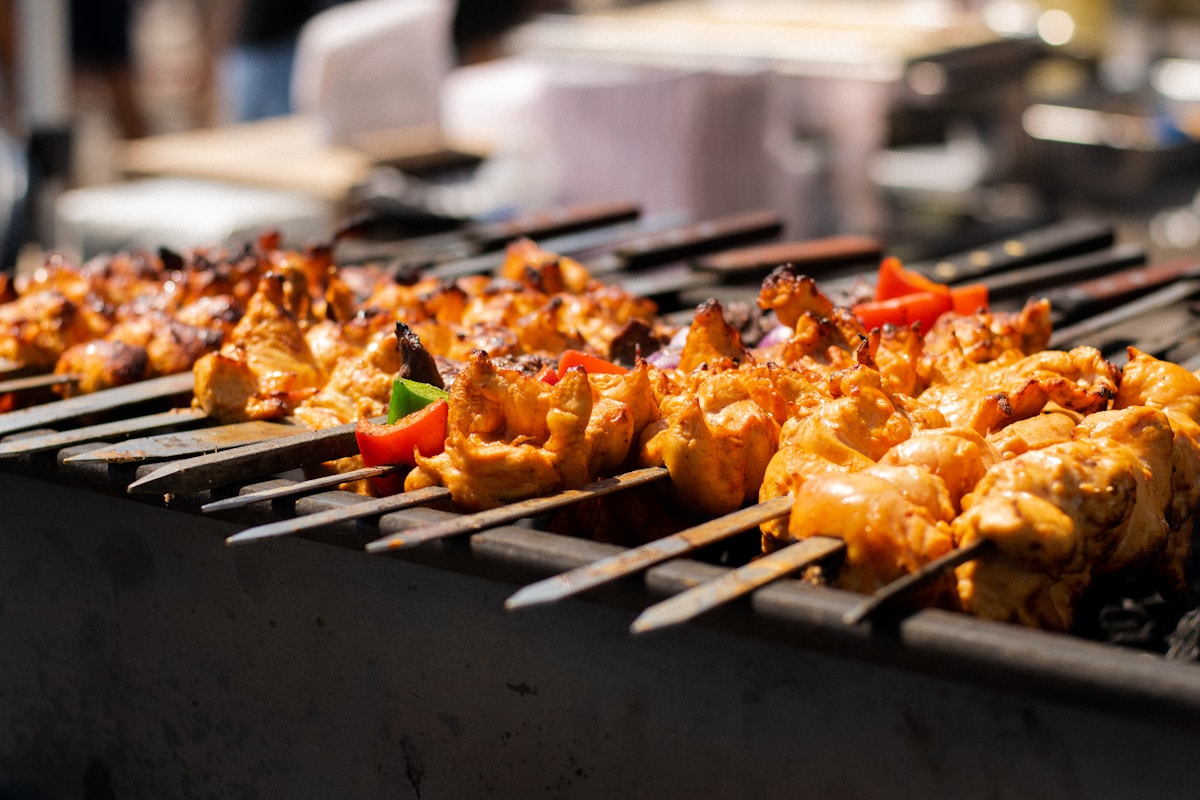
Flatbread wrapped around kebap meat with salad and sauce — Turkey’s take on a wrap. The best dürüm is made with Adana kebap (spiced minced lamb on skewers) or tavuk (chicken). ₺80–120. Eat while standing; they’re difficult to manage while sitting down.
Iskender kebap
Thin slices of lamb döner served over cubed bread, with tomato sauce and browned butter poured over, accompanied by yoghurt. Originated in Bursa (see Bursa food guide); found across Istanbul. A proper İskender at a good restaurant is ₺200–280. The Bursa version is definitively better but Istanbul’s are perfectly good.
Kokoreç
Offal (lamb intestines wrapped around sweetbreads and glands) grilled on a vertical rotisserie, chopped, and served in bread with oregano and red pepper. Sounds confronting, tastes extraordinary — smoky, fatty, rich. ₺70–100 from the kokoreç stands near Eminönü and Beyoğlu. Şampiyon Kokoreç on Balo Sokak in Beyoğlu is the most famous address. Go late at night for the full experience.
Meze
The cold starters at a meyhane: humus (puréed chickpeas), haydari (thick yoghurt with herbs), tarama (fish roe paste, usually pink), patlıcan salatası (smoked eggplant salad), kalamar (fried squid), midye tava (fried mussels with tarator sauce), beyaz peynir (white cheese with olive oil). ₺80–200/plate at a meyhane. Order generously — the cold mezze is the best part of any meyhane meal.
Midye dolma (stuffed mussels)
Mussels filled with herbed, spiced rice and served at room temperature from street carts. ₺15–20/piece. Eat them from the shell; the vendor squeezes lemon over each one. Common around Eminönü, Galata, and across Kadıköy. A dozen is a decent snack; twenty is lunch. Fresh is essential — the mussel cart should be busy, with visible turnover.
Baklava
Pastry layers with nuts (pistachios or walnuts) and sugar syrup. Istanbul’s best baklava comes from Karaköy Güllüoğlu (the benchmark) and Hafız Mustafa (branches across the city including near the Spice Bazaar). The Gaziantep-style pistachio baklava is superior to most; see our Gaziantep food guide for the regional original. ₺150–300 for a tray.
Lokum (Turkish delight)
The real version is nothing like the Western export product. At Ali Muhiddin Hacı Bekir (founded 1777, Istiklal Caddesi) or Hafız Mustafa, buy rose water, pomegranate, or mastic-flavoured lokum. ₺80–150/250g. Avoid the large tourist-oriented shops at bazaar entrances that sell pre-packaged boxes.
Pilav (rice pilaf)
The dish you eat standing at a street stall — pilaf from a cart, sold with beans, pickled vegetables, and a glass of ayran (yoghurt drink). ₺40–60. The Beyazıt Pilav vendors near the Grand Bazaar are the classic version. Cheap, filling, correct.
Çorba (soup)
Mercimek çorbası (lentil soup) is the Turkish breakfast soup — thick, smooth, served with lemon and dried red pepper flakes, ₺50–80 from any lokanta. Tarhana (fermented grain and tomato soup) is more complex and deeply flavoured. İşkembe çorbası (tripe soup) is the traditional late-night eat at işkembeci (tripe houses) open until 5am.
Menemen
Eggs scrambled with tomatoes, peppers, and onion in a copper pan, brought to the table still sizzling. Turkey’s great breakfast dish. ₺80–120 at a kahvaltı house. The debate over whether menemen should contain onion is a serious cultural argument; order without opinion.
Drinks
Ayran: Diluted, salted yoghurt. Served cold; pairs brilliantly with fatty grilled meats. ₺15–30/cup.
Raki: Anise-based spirit. Turkey’s national drink. Always diluted with cold water (turns white — called lion’s milk); drunk alongside fish and mezze through a long meyhane evening. ₺80–120/glass.
Şalgam: Fermented turnip juice, dark red, salty, earthy. Served cold alongside Adana kebap in its home region but available in Istanbul. An acquired taste; worth trying.
Boza: Malt fermented grain drink, thick and slightly sour. Sold in winter from carts and at Vefa Bozacısı (established 1876) near the Süleymaniye Mosque. ₺30–40/glass.
Where to eat well by price point
| Budget | ₺/person | What to order |
|---|---|---|
| Street food | ₺50–150 | Simit, balık ekmek, kokoreç, midye dolma, dürüm |
| Lokanta (canteen) | ₺100–200 | Daily specials, çorba, pilav, börek |
| Meyhane | ₺300–600 | Mezze, fish, raki |
| Sit-down restaurant | ₺200–500 | Kebap, İskender, full menu |
| Breakfast house | ₺150–200 | Full kahvaltı spread |
For the restaurants behind these dishes, visit our Istanbul best restaurants guide.
Ready to explore?
Browse hundreds of tours and activities. Book securely with free cancellation on most options.
Browse on GetYourGuide →We may earn a small commission — at no extra cost to you.