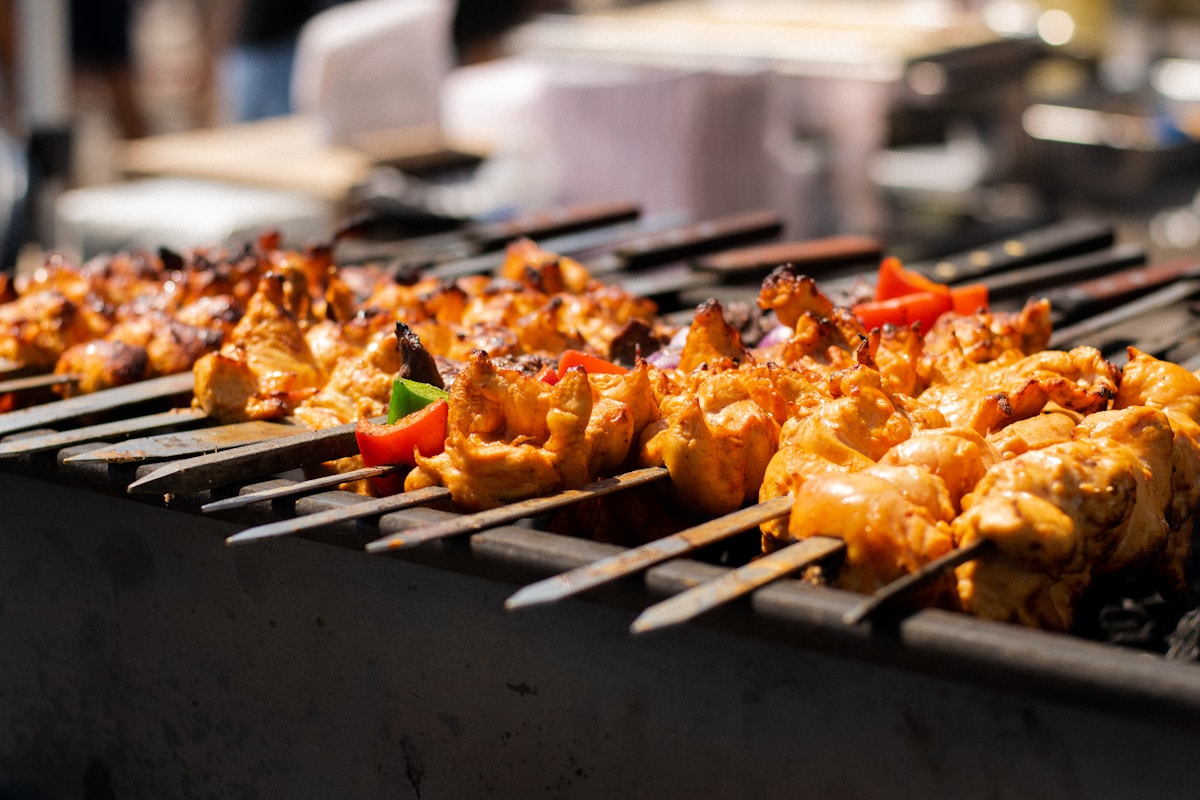
Turkish food is more varied and regional than its international reputation suggests. The döner kebab has become a global fast food, but it represents a narrow slice of a cuisine shaped by Anatolian, Central Asian, Arab and Mediterranean influences across centuries. Understanding what to eat and where to find it adds a different layer to travelling through Turkey.
Breakfast: The Kahvaltı Spread
Turkish breakfast - kahvaltı, literally “before coffee” - is a serious affair, particularly on weekends. It is not a quick meal. A proper kahvaltı spread covers the table with small dishes: white cheese (beyaz peynir), a harder aged cheese (kaşar), olives, cucumber slices, tomato wedges, a fried or boiled egg, jams (strawberry, fig and mulberry are common), honey, clotted cream (kaymak) sometimes served with the honey, bread, börek pastry, and strong black tea (çay) in tulip-shaped glasses.
In Istanbul, neighbourhood cafes serve kahvaltı throughout Sunday mornings. The Van breakfast style from eastern Turkey has become fashionable in Istanbul - it involves even more dishes and a particular emphasis on herbed cheeses. Van Kahvaltı Evi type restaurants serve this spread for TRY 300–500 per person.
Hotel breakfasts in Turkey typically follow this same template rather than offering a Western continental option. See our full Turkish breakfast guide for where to eat in Istanbul, Van and Gaziantep.
Kebabs: The Regional Differences
Döner - compressed meat cooked on a vertical rotating spit, sliced thinly - is what most non-Turkish people know as “the Turkish kebab.” It exists, it is eaten, but it is one of many.
Adana kebab: Ground lamb mixed with red pepper flakes and other spices, hand-shaped onto flat metal skewers and grilled over charcoal. The result is a long, slightly irregular cylinder of spiced minced meat, served with flatbread, grilled tomato and pepper, and raw onion. Named for the southeastern city of Adana. This is what you order when someone says Turkish kebab has flavour - it does.
İskender kebab: A Bursa speciality. Döner meat is laid over torn pide bread, covered with hot tomato sauce and then a pour of clarified butter from a ladle. Served with yoghurt. Rich, heavy and good. TRY 300–500 at a proper restaurant.
Şiş kebab: Cubed meat (usually lamb or chicken) on a skewer, marinated and grilled. The everyday option, found everywhere from street grills to sit-down restaurants.
Köfte: Ground meat (lamb or beef or a mix) shaped into balls or oval patties and grilled or pan-fried. Simple and good when made with proper meat and spicing. Izmir köfte (flat, small, served in a tomato sauce) and Tekirdağ köfte (dense, heavily seasoned) are regional versions worth knowing.
Meze: The Spread Before the Meal
Meze are small dishes served at the start of a meal - particularly in meyhane (traditional tavernas) and fish restaurants. Ordering a range of cold meze and sharing them with bread is a meal in itself. Common options:
Haydari: Thick strained yoghurt with garlic, dried mint and sometimes dill. The standard, reliable option at any meze table.
Patlıcan salatası: Roasted and puréed aubergine with garlic, olive oil and sometimes tomato. Good versions are smoky from properly charred whole aubergines.
Dolma: Vine leaves stuffed with spiced rice, pine nuts and dried fruit. Served cold with lemon. The Istanbul/Aegean style uses olive oil (zeytinyağlı dolma); the eastern style can include meat.
Arnavut ciğeri: Albanian liver - cubed lamb liver quickly fried, served with red onion and parsley. A standard meyhane order.
Deniz börülcesi (sea beans / samphire): A coastal meze of sea purslane or samphire, briefly blanched, served with olive oil and lemon. Common in coastal Aegean towns.
Pide and Lahmacun
Pide is Turkish flatbread, shaped like a long oval boat with raised edges, baked in a wood-fired oven. Topped with ground meat and spices (kıymalı), egg and cheese (yumurtalı kaşarlı), or mixed vegetables. Served whole and eaten at the table. One pide is a full meal. Price: TRY 150–300.
Lahmacun is a thin, crispy round flatbread spread with a thin layer of spiced minced meat, onion and tomato, baked at high heat for a few minutes. It is lighter than pide, typically eaten by adding herbs, lettuce and lemon juice, rolling it up and eating by hand. TRY 30–60 per piece; you typically eat two or three. Not a pizza, despite the visual similarity.
Seafood
Turkey has three coasts - the Aegean, Mediterranean and Black Sea - and each has a distinct seafood identity.
Balık ekmek (fish sandwich): Istanbul’s most recognisable street food. Grilled mackerel fillets, onion and lettuce in a thick white roll, sold from boats moored at Eminönü near the Galata Bridge. TRY 80–120. The mackerel varies in quality by season - autumn and winter are better than summer.
Hamsi (anchovy): The Black Sea anchovy is the cultural fish of the Black Sea coast, particularly around Trabzon and Rize. Fried hamsi (hamsi tava), baked hamsi on a bed of rice (hamsili pilav) and hamsi börek are all regional specialities. In season (November–March) they are cheap and abundant; a kilo of fresh hamsi costs TRY 80–150.
Levrek (sea bass) and çipura (sea bream): The standard fish restaurant offering on the Aegean and Mediterranean coast. Grilled whole, over charcoal, served with a green salad and rakı. At a working-class fish restaurant on the Izmir or Bodrum waterfront, TRY 300–500 per person including drinks. At a tourist waterfront restaurant with sea views, double or triple that.
Street Food
Simit: A circular bread ring coated in sesame seeds, baked or sold from street carts. The default Istanbul street snack. TRY 10–15. Different from the bagel despite visual similarity - it is dryer, crunchier and the sesame coverage is heavy.
Midye dolma: Raw mussels stuffed with spiced rice, served in the shell with a squeeze of lemon. Sold from street vendors in Istanbul, particularly in Beşiktaş, Ortaköy and Karaköy. TRY 5–8 per piece. Only buy from busy vendors with high turnover - freshness matters.
Kumpir: Baked jacket potato, split open, filled with butter and cheese until the inside is creamy, then loaded with toppings: olives, sweetcorn, pickles, Russian salad, sausage. Ortaköy in Istanbul is the kumpir district; stalls line the waterside alley. TRY 100–200 fully loaded.
Börek: Flaky pastry (yufka dough) filled with white cheese and parsley, or minced meat, or potato. Sold at börekçi shops from early morning. A proper börek shop - not a tourist bakery - will turn it over quickly; the quality drops when it sits. TRY 50–100 per portion.
Desserts
Baklava: Thin layers of filo pastry, filled with ground pistachio or walnut, soaked in syrup. The national standard is set by Gaziantep, which has UNESCO Creative City of Gastronomy status partly for its pistachio baklava. The pistachios used in Antep baklava (as it is locally called) are smaller, greener and more flavourful than typical commercial pistachios. A proper Gaziantep baklava shop like Güllüoğlu (branches in Istanbul and Gaziantep) charges TRY 300–500 per kilo. It is not cheap and should not be.
Künefe: A Hatay and southeastern specialty. Shredded wheat (kadayıf) pressed into layers around a filling of unsalted stretchy cheese, baked until golden and crispy, soaked in syrup and served hot with a dusting of ground pistachio. The contrast of hot sweet syrup and mildly salty melting cheese is unlike anything else in Turkish food. TRY 100–200 per portion.
Sütlaç: Turkish rice pudding, baked in a clay dish until the top browns. Served cold. Simple and common; a reliable choice when you want something not too sweet.
Lokum (Turkish delight): In tourist shops, this is usually low-quality and over-priced. At established confectioners in Istanbul (Hacı Bekir on İstiklal is the oldest, operating since 1777) the quality is demonstrably different: softer, more delicate, with natural rose water or pistachio filling. A kilo costs TRY 200–600 depending on grade.
Drinks
Çay (tea): Turkish tea is black, strong and served in small tulip-shaped glasses, never with milk. It is brewed in a çaydanlık - a double-boiler where a concentrated brew in the upper pot is diluted with hot water from the lower pot to taste. It is served at every possible social occasion, in every tea garden (çay bahçesi), and is the correct answer to virtually any offer of hospitality. Cheap or free in most settings.
Turkish coffee: Ground finely and brewed in a small copper pot (cezve) with sugar added during preparation, not after. Always served with a glass of water - drink the water first, then the coffee. The grounds settle at the bottom; do not drink the last quarter of the cup. Ordered as sade (no sugar), az şekerli (a little sugar) or orta (medium sweet). TRY 30–80 at a cafe.
Ayran: Cold, salted yoghurt drink, thinned with water, blended until foamy. The standard accompaniment to kebabs. Sounds unusual; tastes good with grilled meat.
Rakı: Turkey’s national spirit. Anise-flavoured, clear, turns milky white when water is added (hence the nickname “lion’s milk”). Drunk slowly over meze and fish in meyhane settings. Not mixed; served with water in a separate glass, and ice on the side. The ritual is social - rakı drinking is a long, slow event.
Boza: A fermented wheat drink with a low alcohol content, thick and slightly sour. Drunk primarily in winter, sold from street vendors and the famous Vefa Bozacısı shop in Istanbul (open since 1876). An acquired taste.
Regional Specialties by Area
Istanbul and Thrace: Fish, Byzantine influence on sweets, börek culture, the full meze-and-fish tradition at meyhane.
Aegean coast (Izmir, Bodrum, Fethiye): Olive oil-dominated cuisine, fresh fish, zeytinyağlı dishes (vegetables cooked in olive oil), lighter meze.
Mediterranean (Antalya, Kaş): Similar to Aegean but with more citrus influence; çöp şiş (tiny lamb skewers on rosemary branches) is a local specialty.
Black Sea (Trabzon, Rize): Hamsi (anchovy) culture, corn bread (mısır ekmeği), green vegetables including a distinctive preparation of black cabbage. Less olive oil, more butter and corn.
Gaziantep and the southeast: The most complex and spice-forward Turkish food. Baklava, künefe, liver dishes, Antep beyranı (a breakfast soup of rice and lamb), muhammara (red pepper and walnut dip). Considered by food writers to be among the finest regional cuisines in the Middle East.
Hatay: A distinct culinary tradition shaped by Arab influence and proximity to Syria. Hummus (unusual in standard Turkish food), küneffe, oruk (bulgur and meat croquettes), the full breakfast spread with sahlab milk.
For city-specific food guides: Istanbul food guide, Gaziantep food guide, Ankara food guide, İzmir food guide. For vegan eating, see our vegan food in Turkey guide.
For your trip: Browse tours and experiences in Turkey - food tours, cooking classes, and hammam experiences are bookable in advance with free cancellation. An eSIM for Turkey keeps you connected for navigating local neighbourhoods.
See also: Cooking class in Istanbul · Shopping guide for Turkey · Tipping and etiquette in Turkey · Gaziantep travel guide
Plan Your Trip
✈️ Book your flights to Türkiye 🛡️ Get travel insurance 📱 Stay connected with an eSIM 🚗 Rent a car