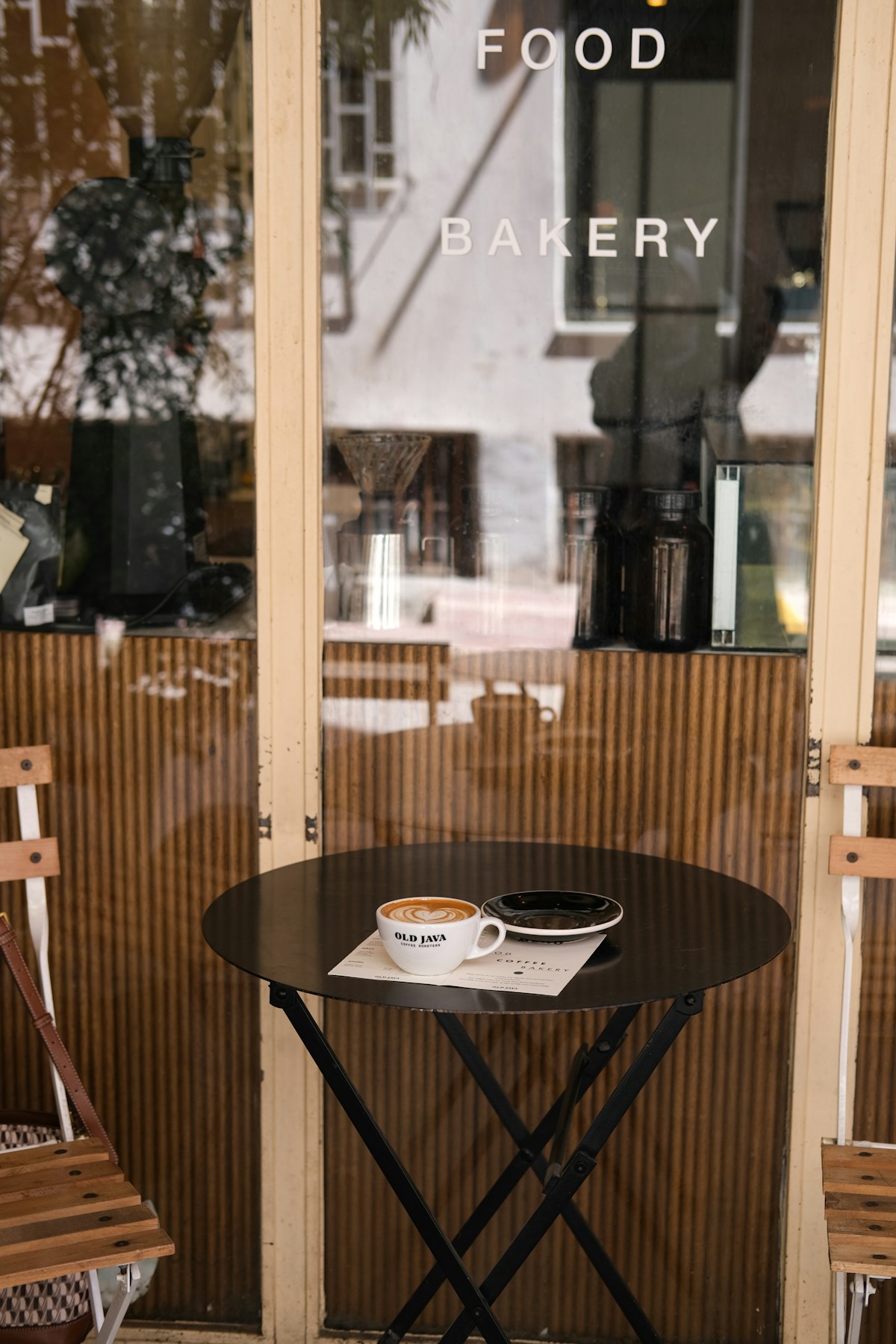
Antalya’s cafe scene reflects its dual identity - tourist-facing coffee shops in Kaleiçi designed for the European visitor, and the local çay bahçesi (tea garden) culture that predates the laptop entirely. For remote workers, the challenge is finding the intersection: reliable WiFi, power outlets, and an atmosphere that doesn’t presuppose you’ll leave after 30 minutes. This guide covers what actually works for a half-day or full workday session.
For the digital nomad overview of Antalya including coworking spaces and SIM cards, see Antalya digital nomad guide.
Cafe WiFi in Turkey can drop without warning - we carry an Airalo eSIM as a tethering backup for calls and deadlines. Our Turkey SIM and eSIM guide compares the options.
Turkish coffee culture in Antalya
Antalya has a dual coffee character that mirrors the city itself. In Kaleiçi (the old town), tourist-facing cafes have adopted the espresso-and-laptop formula familiar across Mediterranean Europe - flat whites, V60s, and air conditioning. In the residential districts of Muratpasa and Konyaalti, the çayhane (tea house) tradition runs in parallel: black çay in tulip glasses at ₺15-30 (~$0.45-0.90) per glass, local men playing backgammon, and no expectation of WiFi.
The third-wave specialty coffee movement arrived in Antalya in the mid-2010s, concentrated in the Muratpasa commercial district where local professionals and a growing expat population created demand for single-origin filter coffee and proper espresso. Several independent specialty roasters operate here alongside the chain options - Kahve Dunyasi and Starbucks are present in the main AVMs and on the commercial strips.
Local coffee pricing: Turkish coffee ₺40-70 ($1.20-2.10), filter or V60 ₺80-130 ($2.40-3.90), flat white ₺90-130 (~$2.70-3.90). Muratpasa specialty cafes run 20-30% cheaper than comparable Istanbul venues.
What to expect from Antalya’s cafe scene
The tourist cafe circuit (Kaleiçi): Antalya has a concentration of cafe-restaurants in and around Kaleiçi that are visually appealing and WiFi-equipped, but are designed for 1–2 hour visitor stays rather than working sessions. Seating pressure rises sharply at lunch and afternoon peak. These work for morning sessions (8–11am) before they fill.
The residential cafe belt (Muratpaşa, Konyaaltı, Lara): The residential districts have a growing number of specialty coffee shops catering to the local professional class and expat community. These have better WiFi infrastructure, more power outlets, and a culture that accepts laptop users for extended periods. Less atmosphere than Kaleiçi but far more productive.
Traditional çay bahçesi: Tea gardens are for tea, conversation, and backgammon - not laptops. Some tolerate it; many don’t. WiFi is often absent or weak. Don’t attempt serious work at a traditional çay bahçesi.
Kaleiçi: working in the old town
Morning sessions before the tourist rush
Kaleiçi’s cafes are most workable between 8–11am, before the tour groups arrive and the tables fill. The shaded courtyard settings are genuinely pleasant at this hour, coffee quality has improved significantly in the last five years, and most tourist-facing cafes have upgraded their WiFi for the European visitors who expect it.
What to order to secure your seat: A coffee order (₺60–120, ~$1.80-3.60) buys you time; the convention is to order again if staying more than 90 minutes. A slice of cake or baklava alongside the coffee helps.
Power outlet availability: Limited in Kaleiçi’s older buildings - Ottoman-era conversions have fewer outlets than purpose-built cafes. Arrive with a charged laptop or bring a power bank. Some cafes have added outlet bars along the walls; check before settling.
WiFi speeds: Typically 20–50 Mbps in well-maintained tourist cafes. Adequate for video calls and standard work; not optimal for large file uploads. Test with a speed check before committing.
Expected spend for a morning session: ₺120–200 (~$3.60-6.00) (two coffees, possibly breakfast).
Best Kaleiçi streets for cafes
The streets immediately behind the harbour promenade have cafes with better workspace conditions than those facing the water - slightly lower prices, less foot-traffic noise, and marginally better WiFi (the harbour-front spots often have congested networks from tourist volume). The side streets off Uzun Çarşı Sokak and the area near Hadrian’s Gate have workable options.
Muratpaşa: the practical choice
Muratpaşa is Antalya’s main residential and commercial district - a 10-minute walk from Kaleiçi. It has the highest concentration of specialty coffee shops in the city, generally better equipped for extended working sessions than the tourist cafes.
Specialty coffee shops
A wave of third-wave coffee culture has reached Antalya, concentrated in Muratpaşa. These shops - recognisable by the espresso equipment visible behind the counter, the pour-over options on the menu, and the cupping notes on the board - typically have reliable high-speed WiFi, power outlets at most seats, and a culture that accepts laptop workers as a normal part of the clientele.
Typical setup: Communal tables with power strips, individual table outlets, or a dedicated “work zone” section. WiFi speeds: 50–150 Mbps. Air conditioning (important in summer). No pressure to order every 45 minutes.
Expected spend for a full day session: ₺200–400 (~$6.00-12.00) (2–3 coffees, possibly a lunch-adjacent snack).
Coffee prices: Espresso drinks ₺60–100 ($1.80-3.00); pour-over ₺80–130 ($2.40-3.90); filter coffee ₺50–80 (~$1.50-2.40). Cheaper than Istanbul specialty cafes by 20–30%.
Traditional cafes and pastaneler
The established pastane (patisserie-cafe) culture in Muratpaşa produces a slightly different work environment - sit-down service, WiFi varying in quality, comfortable seating, and a culture more accustomed to extended stays over tea and simit. These work for lighter sessions (writing, reading, planning) but aren’t suitable for video calls.
Konyaaltı: beach-adjacent working
The Konyaaltı beach area has expanded its cafe infrastructure significantly. Several beach clubs have opened WiFi-enabled cafe sections separate from the sunbed area - these allow working with a sea view, which is a legitimate Antalya advantage that few cities can offer.
Beach club cafe sections: WiFi quality varies; get a speed check before ordering. The covered sections (terrace or indoor areas) are workable; the outdoor sunbed sections are not (too bright for screens, inconsistent WiFi signal).
Morning hours: The beach cafes are quietest before 11am - a genuinely enjoyable working environment on a weekday morning in shoulder season.
Expected spend: ₺150–250 (~$4.50-7.50) for a coffee-and-working session; some beach clubs require a minimum spend for cafe access.
Coworking spaces
Antalya has a small but functional coworking scene in Muratpaşa and Konyaaltı - useful if you need dedicated desk space and guaranteed fast internet. For pricing, specific spaces, and a full remote-work assessment, see Antalya digital nomad guide.
WiFi speed comparison by area
| Area | Typical WiFi speed | Power outlets | Seating pressure |
|---|---|---|---|
| Kaleiçi tourist cafes | 20–50 Mbps | Occasional | High (peak hours) |
| Muratpaşa specialty cafes | 50–150 Mbps | Common | Low-moderate |
| Konyaaltı beach cafes | 20–80 Mbps | Limited | Seasonal |
| Coworking spaces | 100–500 Mbps | Guaranteed | None |
Cafe comparison table
| Cafe | Area | WiFi Speed | Price Range | Best For |
|---|---|---|---|---|
| Muratpasa specialty cafes | Muratpasa | 50–150 Mbps | ₺60–100 (~$1.80-3.00) | Long sessions |
| Kahve Dunyasi (commercial branches) | Commercial strips | 40–70 Mbps | ₺70–110 (~$2.10-3.30) | Nomads |
| Starbucks (AVM locations) | Shopping centres | 40–60 Mbps | ₺80–130 (~$2.40-3.90) | Video calls |
| Kaleiçi tourist cafes (morning) | Old town | 20–50 Mbps | ₺80–130 (~$2.40-3.90) | Light tasks |
| Konyaaltı beach club cafes | Konyaaltı | 20–80 Mbps | ₺100–200 (~$3.00-6.00) | Both |
Practical considerations for working in Antalya cafes
SIM card: Turkish mobile data (Turkcell, Vodafone, Türk Telekom) is significantly faster and more reliable than most cafe WiFi, particularly in Kaleiçi’s congested tourist areas. A 30-day tourist SIM with 20–40GB data costs ₺200–350 (~$6.00-10.50) and provides a personal hotspot fallback.
Power: Turkey uses European-standard plugs (Type F, 220V). Bring a multi-outlet adapter if working with multiple devices.
Noise levels: Kaleiçi cafes can be extremely noisy at peak hours - call muezzin, street musicians, and tour group conversations overlap. Noise-cancelling headphones are worth packing for Antalya’s old town.
Summer heat: From June–September, outdoor cafe seating becomes uncomfortable in the afternoon (35–38°C). Prioritise air-conditioned indoor sections or early morning outdoor sessions.
Language: Most cafe staff in Kaleiçi speak English. In Muratpaşa specialty cafes, English is common; in traditional pastaneler, ordering in Turkish is helpful. WiFi şifresi ne? (What’s the WiFi password?) is a universally understood phrase.
Best times for cafe work in Antalya
| Time | Recommendation |
|---|---|
| 7–10am | Best for Kaleiçi - quiet before tourist rush |
| 10am–1pm | Move to Muratpaşa specialty cafes |
| 1–3pm | Lunch break covers any seating concerns |
| 3–6pm | Muratpaşa or Konyaaltı cafes; avoid tourist-heavy areas |
| Evening | Çay bahçesi for casual work or reading; not for intensive output |
For the complete remote work picture in Antalya - including visas, cost of living, and SIM cards - see Antalya digital nomad guide. For similar coastal working environments, see Kaş cafes to work from and Bodrum digital nomad guide.