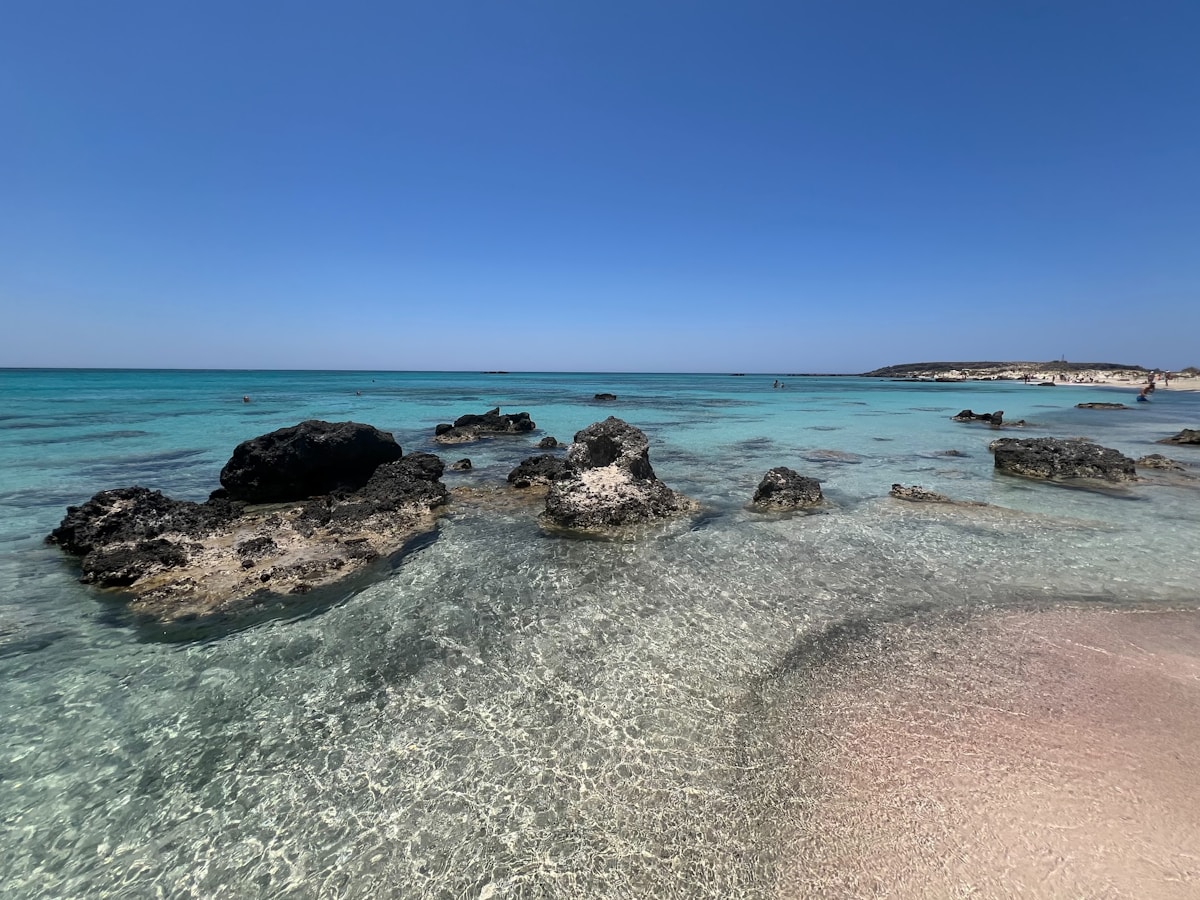
Antalya is Turkey’s beach capital - 630km of coastline in Antalya province, Mediterranean water temperatures reaching 28°C in August, and a beach infrastructure that ranges from free municipal strips to all-inclusive mega-resorts. The city beaches are pebble/shingle rather than sand; the best sandy beaches require a short day trip east or west along the coast. This guide covers what’s actually accessible and what’s worth the effort.
See the Antalya city guide for transport options and Antalya things to do for combining beaches with ancient ruins.
City beaches
Konyaaltı Beach
Type: Pebble/shingle, dark stone Entry: Free public sections; beach clubs ₺200–400 (include sunbed + umbrella) Length: 7km Getting there: Tram from city centre to Konyaaltı or Akdeniz stop (15 min, ₺14)
The main city beach - a long pebble strand west of the Roman harbour. Clear Mediterranean water; good facilities in the beach clubs including showers, changing rooms, and restaurants. The public sections are serviceable but the beach clubs provide significantly better access to the water (including water sports). Konyaaltı Beach Club, Toprak Beach, and Side Beach are among the well-reviewed operators.
Water quality: generally good - Blue Flag designation for several sections. The westernmost sections (toward Kemer direction) tend to be cleaner.
Lara Beach
Type: Sand Entry: Public sections free; resort beach access for guests only Distance: 12km east of centre Getting there: Bus 600 from city centre (40 min, ₺14)
Antalya’s sandy beach alternative - less accessible without a car and largely dominated by the luxury resort strip (Loews Regency, Rixos Premium, Adam & Eve). The public section has free access but limited facilities. If you’re staying at a Lara resort, the beach is excellent; if you’re not, it’s not worth the effort versus Konyaaltı.
Day trip beaches (1–2 hours from Antalya)
Kemer (25km west)
Transport: Dolmuş from Antalya bus station (30 min, ₺30)
A purpose-built resort town with a sandy beach and marina. The beach itself (Kemer Sahili) is sandy, free to access publicly, with beach clubs renting sunbeds for ₺150–300. The water is notably clear here - the mountain backdrop (Taurus range) gives the setting more character than the flat coastal strips elsewhere. Kemer town is entirely resort-oriented; stay for a beach day, not for culture.
Phaselis (5km south of Kemer): The ruins of an ancient Lycian/Greek/Roman coastal city, with three natural harbours and beaches. Entry ₺200; one of the most beautiful ancient site settings in Turkey. Swim in the ruins’ coves.
Side (75km east)
Transport: Bus from Antalya bus station (1.5 hours, ₺80)
An ancient Roman city now half-occupied by a resort town. The beaches flanking the headland (East Beach and West Beach) are sandy and Blue Flag rated. West Beach is slightly quieter. Beach clubs: ₺150–250 for sunbed + umbrella. The ruined Temple of Apollo on the cliffs, overlooking the sea, is one of the most photogenic spots in the Riviera. Combine with an afternoon at the Side Museum (₺150) in the restored Roman baths.
Çıralı and Olympos (70km west via Kemer)
Transport: Dolmuş from Antalya to Kemer (30 min), then dolmuş to Çıralı (45 min). Total 2+ hours.
Two of the best beaches on the Turkish Riviera, in a protected area south of Kemer:
Çıralı is a 3km long natural pebble beach backed by orange groves and wooden pension accommodation. No large hotels; no beach clubs in the conventional sense. The beach is shared with Caretta caretta (loggerhead sea turtles) - part of an officially protected nesting zone. In season, guided night tours to watch turtle nesting (₺100–150).
Olympos beach (access through the ancient Lycian ruins - entry ₺200) is shorter but more dramatic - narrowed by the valley walls. The Chimera fire (eternal natural methane flames burning from rock fissures in the mountains above) is accessible by a 45-minute uphill walk from near Çıralı (₺50 site entry; best visited at dusk).
Accommodation in Çıralı: tree-house pensions ₺500–1,200/night; wooden bungalows ₺400–800. Very different from the resort strip - worth an overnight.
Beach comparison
| Beach | Type | Distance | Entry | Quality |
|---|---|---|---|---|
| Konyaaltı | Pebble | In city | Free/₺200–400 | ★★★★ |
| Lara | Sand | 12km | Free (limited) | ★★★ |
| Kemer | Sand | 25km | Free/₺150–300 | ★★★★ |
| Phaselis | Pebble/ruins | 30km | ₺200 | ★★★★★ |
| Side East | Sand | 75km | Free/₺150–250 | ★★★★ |
| Çıralı | Pebble | 70km | Free | ★★★★★ |
| Olympos | Pebble | 75km | ₺200 | ★★★★★ |
Further west
For more remote and spectacular beaches, the coast between Antalya and Kaş offers some of Turkey’s finest stretches. Kaş, Fethiye’s Ölüdeniz, and Bodrum’s Yalıkavak each have dedicated guides.
Practical notes
Best swimming months: June–October. Peak water temperature (28°C) in August. The sea remains swimmable through late October (22–24°C).
Jellyfish: Occasional jellyfish blooms in the Mediterranean, mainly July–August. Check local conditions on arrival. Pink-sailed jellyfish (Rhizostoma pulmo) are common and mostly harmless; fire jellyfish (Pelagia noctiluca) are less common but sting.
Sun protection: Antalya’s Mediterranean sun at 36°N latitude is intense from May–September. SPF 50 is not excessive. Factor into your daily cost budget (₺80–200/bottle locally).
Search hotels in Antalya on Booking.com
Getting around the coast: A rental car is the most flexible way to reach Antalya’s beaches - compare rates at GetRentacar before booking direct. Alternatively, browse tours and activities in Antalya for boat trips and excursions that reach spots inaccessible by road.