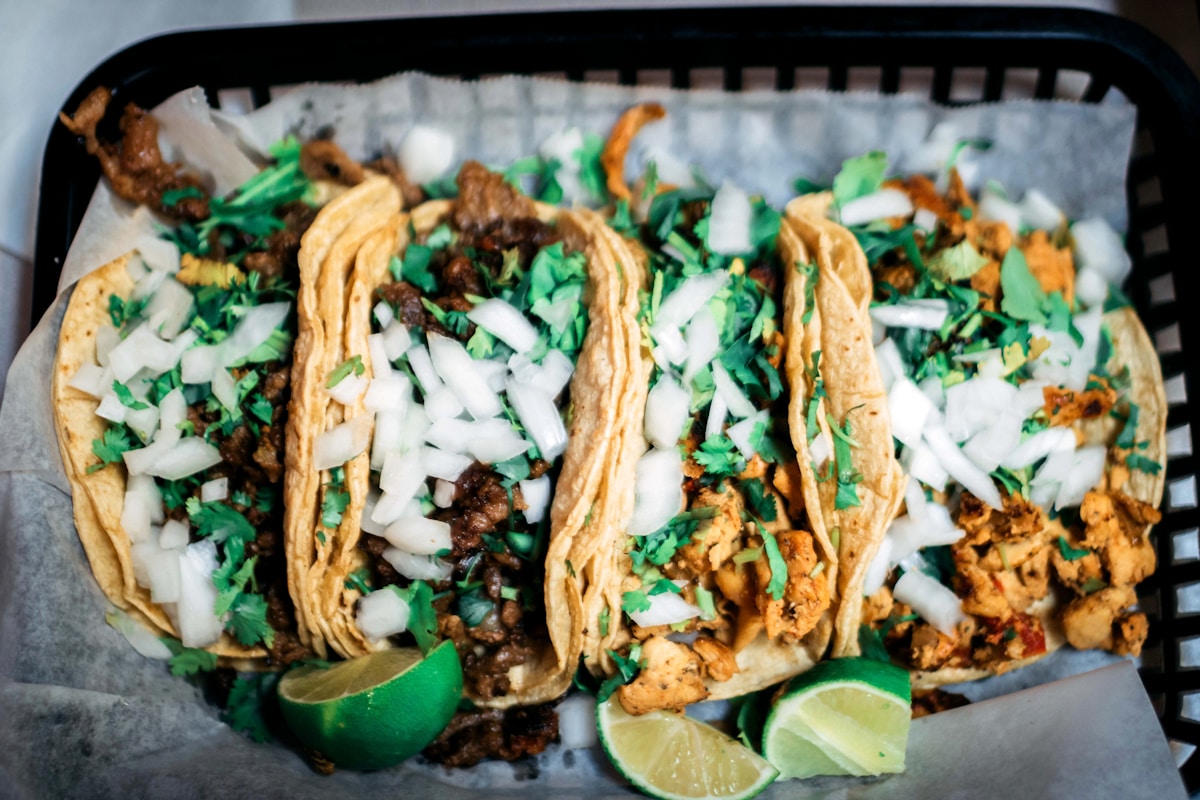
The Aegean coast around Bodrum is one of the oldest continuously cultivated food landscapes in the world - olive groves that predate the Crusader castle, fishing traditions that go back to the Carian kingdom, and a meze culture that arrived with the Greeks and stayed through every subsequent civilisation. The food here is genuinely Aegean in character: olive oil is the primary fat, fish is the prestige protein, vegetables and herbs are treated with attention, and the meal is a social event rather than a fuel stop.
The olive oil foundation
The Bodrum Peninsula and the broader Muğla province are among Turkey’s most significant olive oil producing regions. The Memecik olive variety, prevalent on the Peninsula’s limestone hillsides, produces a fruity, moderately bitter oil that is better suited to raw applications (meze dressings, bread dipping, fish finishing) than some of the more pungent Aegean oils from the north.
Local-press olive oil is available at the Yalıkavak Thursday market and at the Bodrum bazaar stalls - open tins for tasting, sold by the litre (₺80–180/litre for fresh-press extra virgin). This is significantly better quality than supermarket olive oil and represents one of the better food purchases in the region.
The practical difference: At a good meze restaurant in Yalıkavak or Gümüşlük, the cold meze dishes (haydari, patlıcan salatası, deniz börülcesi) are dressed with local olive oil. The quality of the oil is immediately apparent - it has a specific flavour presence that supermarket oil lacks. When a restaurant uses cheap oil on cold meze, it shows.
Fish culture: the Aegean versus the Mediterranean
The Aegean fishing culture around Bodrum is distinct from the Mediterranean at Antalya. The Aegean has:
More variety: The complex Aegean island geography creates diverse habitats - more species variety than the open Mediterranean coast.
Different seasons: The bluefish (lüfer) run from October–February is one of the most prized seasonal events in Turkish cuisine; the smaller palamut (Atlantic bonito) arrives in autumn.
Octopus culture: The Aegean has a stronger octopus tradition than the Mediterranean - visible in Gümüşlük, where octopuses hang outside restaurants to tenderise in the sun, and in Aegean mezze menus where ahtapot (grilled octopus) appears as a standard warm meze dish.
Mussels (midye): The Aegean coast produces cultivated mussels; street carts selling midye dolma (stuffed mussels) operate around the Bodrum marina. A quick lunch or street snack: ₺8–15/mussel.
Meze: how the Aegean eats
Meze culture - small plates designed for sharing, arriving sequentially - is how Bodrum’s restaurants are best experienced. A proper meze table in Bodrum operates on a 3-phase structure:
Phase 1: Cold meze (arrives first, sipped with the first rakı/wine):
- Haydari (yoghurt with dill and garlic)
- Patlıcan salatası (roasted aubergine)
- Cacık (yoghurt and cucumber)
- Deniz börülcesi (sea samphire) - the specifically Aegean cold meze
- Semizotu (purslane in yoghurt)
- Zeytinyağlı dolma (stuffed vine leaves in olive oil - should be at room temperature, not refrigerator-cold)
Phase 2: Warm meze (cooked to order):
- Kalamar tava (fried calamari)
- Karides güveç (prawns in tomato)
- Midye tava (fried mussels)
- Ahtapot (grilled octopus)
Phase 3: Fish or meat main course (if still hungry after the meze - often the meze is sufficient)
This structure is not followed rigidly, but understanding it means understanding how to order in a way that produces the best meal. Ordering the main course at the same time as the meze is counterproductive - the meze should be given its proper time.
Drink culture
Rakı: The national spirit of the Turkish meze table - anise-flavoured grape distillate, 45% ABV, traditionally diluted with cold water (turning cloudy, becoming “lion’s milk”). The Bodrum rakı culture centres on Yeni Rakı and Tekirdağ brands; specialist establishments sometimes stock small-producer artisan rakı. A glass of rakı at a restaurant: ₺80–180 depending on venue. Never drunk without meze.
Aegean wines: Turkey’s Aegean coast produces good wines - the Urla, Çeşme, and Muğla wine regions have been developing rapidly. Üzüm Bodrum and Château Nuzun are Muğla-region labels sometimes available locally. Local wine pricing: ₺200–400/bottle at restaurant; ₺80–150/bottle from wine shops.
Çay (tea): The universal social drink - glass of Turkish tea ₺15–30 at a çay bahçesi, ₺30–60 at tourist cafes. Refusing is mildly unusual; accepting is always appropriate.
Ayran: Cold salted yoghurt drink - the non-alcoholic pairing with kebap. ₺20–40/glass.
Markets and food shopping
Yalıkavak Thursday bazaar: The Peninsula’s best market - local farmers selling produce from the Bodrum hinterland (Mumcular valley, Ortakent), olive oil, cheese, honey, herbs, dried fruit, and crafts. Thursday from approximately 7am–2pm.
Bodrum daily bazaar: The covered market (çarşı) near the main street has produce, olives, dried goods, and specialist food stalls. Open daily, mornings best. Good for olive oil and dried herb purchases.
Gümüşlük fish market: A small daily catch sold at the village’s informal fish landing - buy direct from fishing boats. Very seasonal and limited in quantity; arrive by 8am for the best selection.
What to buy and take home:
- Local olive oil (in sealed tin or glass bottle to travel)
- Bodrum mandarin preserves (portakal reçeli) - October–January
- Dried oregano from Taurus/Muğla mountains
- Muğla pine honey (çam balı) - distinctively resinous and unusual
The dining rhythm
Bodrum’s tourist season extends the dining hours significantly:
- Lunch: 12–3pm at lokantas and casual restaurants; beach clubs have food service 12–5pm
- Dinner: 7–11pm, with the peak at 8:30–10pm in summer. Restaurants in tourist areas stay open until midnight or later
The best dinners in Bodrum happen slowly - meze followed by fish, rakı throughout, finishing with tea and fruit. A proper meze dinner takes 2–3 hours. Restaurants that rush this are not the right choice.
For the complete restaurant guide, see best restaurants in Bodrum. For coastal food comparisons, see food guide for Marmaris and Kaş food guide.
Dishes and local specialties to try in Bodrum
Bodrum mandarins
The Bodrum Peninsula is one of Turkey’s main mandarin-producing regions. The local Satsuma variety, harvested October–January, is notably sweeter and more fragrant than supermarket varieties. Market stalls sell loose mandarins for ₺20–40/kg in season; freshly squeezed mandarin juice from street stalls ₺30–50/glass. Buy from the Bodrum bazaar market or the Yalıkavak Thursday market when in season.
Kuzu tandır (slow-roasted lamb)
The inland Muğla province restaurants do excellent slow-roasted lamb - whole lamb or shoulder cooked in a clay oven underground for 6–8 hours until the meat falls from the bone. Found at traditional restaurants in the Bodrum interior villages rather than on the tourist waterfront. Typically available weekends only and in limited quantity. ₺250–400/portion.
Gümüşlük fish and octopus
Gümüşlük at the western tip of the Bodrum Peninsula (25km from Bodrum town) is a small fishing village famous for grilled octopus - you’ll see them hanging outside restaurants to tenderise in the sun. Grilled with olive oil and lemon over charcoal: ₺150–250/portion. Arrive at sunset; the shallow lagoon crossing to the island ruins is worth the journey.
Street food
Midye dolma: Mussel carts around the Bodrum marina - one of the best cheap street foods in Turkey. ₺8–15/mussel. Only eat at busy carts with high turnover.
Gözleme: Flatbread with various fillings from market stalls - ₺70–100 at the Yalıkavak Thursday market. Better than most restaurant options at the same price.
Price summary
| Food | Where | Cost |
|---|---|---|
| Meze spread (4–6 cold + 2 warm) | Restaurant | ₺300–600 |
| Grilled whole fish | Yalıkavak restaurant | ₺250–400/kg |
| Grilled whole fish | Bodrum waterfront | ₺400–700/kg |
| Octopus | Gümüşlük restaurant | ₺150–250 |
| Tandır lamb | Village restaurant | ₺250–400 |
| Midye dolma | Street cart | ₺8–15 each |
| Mandarin juice | Street stall (Oct–Jan) | ₺30–50 |
| Gözleme | Yalıkavak market | ₺70–100 |
Make the most of the food scene: Book a food tour of Bodrum to sample the standout local spots with a guide who knows where residents actually eat. An eSIM for Turkey keeps you connected for navigating neighbourhoods and checking restaurant hours on the go.