Edirne sits at the European edge of Turkey - on the Thracian plain where Greek, Bulgarian, and Ottoman food traditions have mixed for centuries. The city was an imperial Ottoman capital from 1363 to 1453, and the palace kitchens developed here influenced Turkish cooking in ways that extended beyond the city. The Thrace region’s agriculture (sunflower, wheat, wine grapes, vegetables) and the Balkan trade connections shaped a food culture distinct from both the Aegean coast and the Anatolian interior.
The Ottoman court kitchen heritage
For ninety years, Edirne was where the Ottoman court lived and ate. The Edirne Sarayı (Ottoman palace) had kitchens that fed thousands - the sultan’s household, the Janissary corps, the administrative bureaucracy, and the religious scholars attached to the court.
The scale: Ottoman palace cooking was industrial in scale and hierarchical in organisation. The head chef (aşçıbaşı) commanded a structure of specialist cooks - those who made pilav, those who made börek, those who made soups, those who prepared offal (the ciğerci, whose liver preparation tradition persisted in the city after the palace closed).
The offal tradition: Palace kitchens used entire animals. The offal cooks - ciğerci for liver, işkembeci for tripe, kavurmacı for preserved slow-cooked meat - developed their skills here. When the palace moved to Istanbul and eventually declined, these cooking traditions remained in the city, operated by the same families or their successors.
Badem ezmesi: The palace confectioners developed the almond paste tradition. Edirne’s sweet shops still produce the same confection - almond, sugar, rose water - in the same shapes (fruits, flowers, abstract forms) that the palace confectioners produced for court presentations.
The liver (ciğer) tradition
Edirne cigeri is Turkey’s most identified regional offal dish. The specific preparation:
The animal: Lamb liver (kuzu ciğeri) - younger, milder, less intensely flavoured than beef liver.
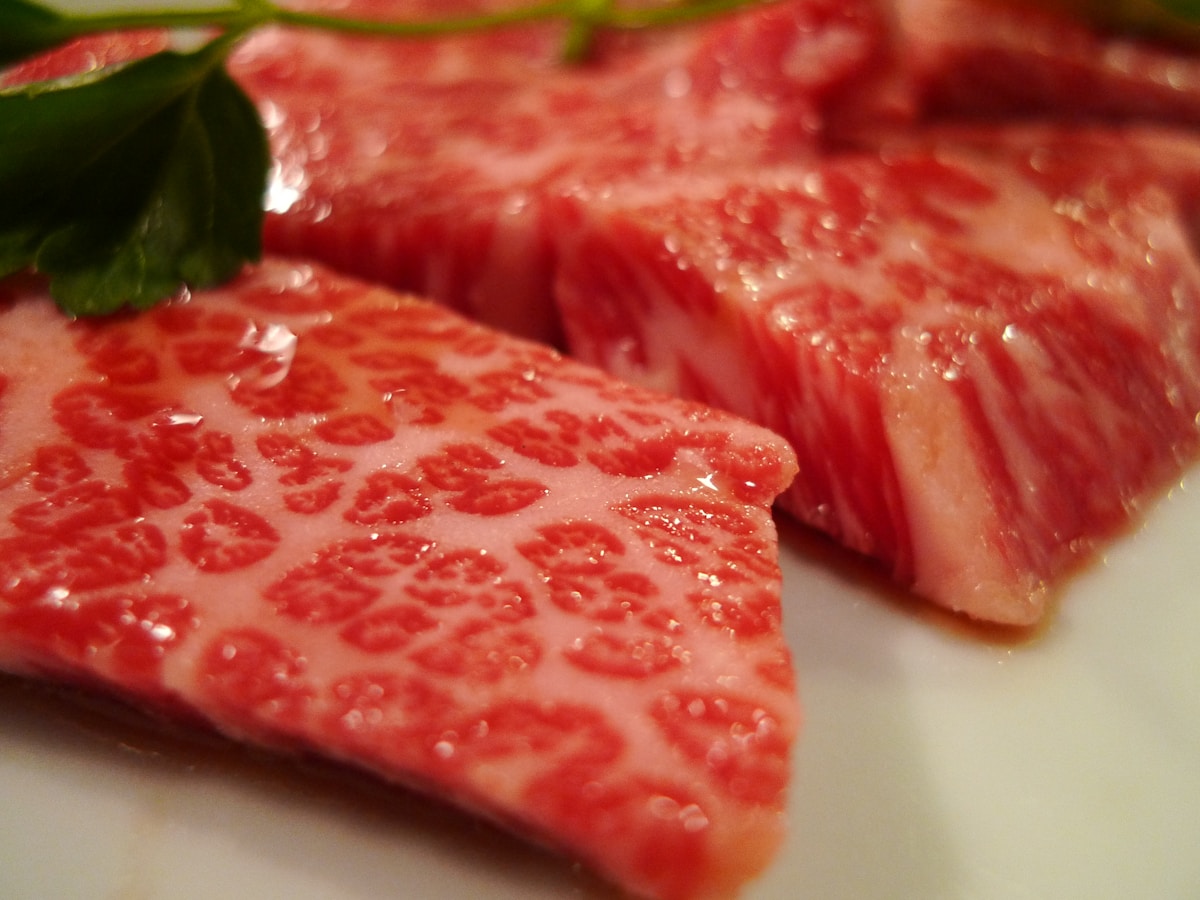
The technique: The liver is sliced thin (3–4mm), soaked in milk for 30–60 minutes (the milk proteins draw out some of the bitterness), lightly dusted with flour, and fried quickly in clarified butter or hot oil - 45–60 seconds per side. The flour coating seals the surface and produces the slight crispness.
The service: Immediately, with fresh white bread, raw onion dressed with sumac and dried mint, and roasted green pepper. The onion-sumac combination cuts the richness of the fried liver; the bread absorbs the pan juices.
The social context: Ciğerci restaurants in Edirne are fast, simple, and social - the queue at the good ones is a cross-section of the city, from construction workers to civil servants to architecture tourists. The food is cheap; the quality is not. This combination - democratic access, high craft - is what makes the Edirne ciğer tradition worth understanding.
Trakya wine
The Thrace region surrounding Edirne is Turkey’s most wine-serious wine zone - not in terms of volume (the Aegean wine region is larger) but in terms of winemaking tradition and indigenous variety development.
The history: Wine has been produced in Thrace since antiquity - the region was part of the ancient winemaking zone that included Thracian Greece and what is now Bulgaria. Ottoman prohibition on Muslim wine production created a specific situation: Christian communities (Greek and Bulgarian) maintained the vineyards while Muslim Ottoman subjects typically did not. The 1923 population exchange removed most of the Greek winemaking families; the modern Trakya wine industry was rebuilt from the 1960s.
Papazkarası: The indigenous Thracian red grape - “priest’s black” in Turkish, named for the deep colour. Medium-to-full body; red and dark fruit; moderate tannin. The most distinctively regional wine of northwestern Turkey.
Tekirdağ and Şarköy: The main wine towns of Trakya are east of Edirne - Tekirdağ (65km) and Şarköy (on the Marmara coast, 130km). Day trips from Edirne to these areas allow winery visits. Several producers do cellar door visits.
In Edirne: Wine shops and the better meyhanes stock Trakya wines. A local wine with the ciğer dinner is the regional combination.
Sunflower culture
The Thrace plain is Turkey’s primary sunflower (ayçiçeği) cultivation zone. The impact on Edirne’s food:
Sunflower oil: The dominant cooking oil in Thracian cooking, unlike the olive oil of the Aegean or the butter of the plateau. Sunflower oil produces a different flavour profile - neutral, slightly sweet - that distinguishes Thracian frying from the Aegean style.
Çekirdek (roasted seeds): Sunflower seeds are the ubiquitous Turkish snack - and in Edirne, you’re eating them at their source. Available everywhere, ₺15–40/bag.
Helva from tahini: Tahini (sesame paste) is less used in Thrace than in southeastern Turkey, but the sesame-based helvası is available at sweet shops. The sunflower seed also appears in a sunflower helva variant specific to the region.
Balkan influences
Edirne’s 8km proximity to Greece and 18km to Bulgaria is visible in the food culture:
Börek variations: The Thracian börek preparations show Bulgarian banitsa influence - the cheese used, the way the layers are rolled and stacked, the inclusion of slightly more egg than standard Turkish börek.
Kavurma: The preserved slow-cooked meat tradition is shared across the Balkans - Bulgarian kavurma, Serbian prebanac (bean dish), and the Turkish version are all responses to the same cold winter preservation requirement on the open Thracian plain.
Cheese character: The white cheeses available in Edirne’s markets have a firmer, saltier character than Aegean beyaz peynir - closer to Bulgarian sirene and Greek feta in production method, reflecting the cross-border dairy tradition.
Tea culture and the Thracian morning
Edirne’s morning tea house culture is more like the Balkan coffee-and-gossip tradition than the Anatolian tea stall:
Çay evi: Tea houses from 06:00 serving the market workers, transport drivers, and early risers of the city. The combination of tea and fresh börek (delivered from the bakery at 07:00) is the working breakfast.
The conversation: Tea house regulars at 07:30 in Edirne are discussing the news, the weather, the Greek border, the wrestling festival preparations, or the state of the sunflower harvest. The city’s European-edge identity produces a specific worldliness - these are people who can drive to Greece in 20 minutes.
Dishes and products to try in Edirne
Edirne cigeri (fried liver): the street experience
The highest concentration of ciğerci (liver restaurants) in Turkey is in the streets around the Selimiye Mosque. The best have been operating for decades; the lunchtime and early evening queues are the indicator of quality. The milk-soaking and light flour coating are the distinctive elements of the Edirne preparation. ₺80–150 for a full portion with bread, raw onion with sumac, and roasted green pepper.
Tava cigeri (casserole liver)
A secondary liver preparation - lamb liver cooked in a shallow terracotta pan (tava) with tomato, onion, and pepper rather than fried. Slower and richer than the fried version; more of a main course than street food. ₺120–180 for a main course portion.
Badem ezmesi (almond paste)
Edirne’s most famous sweet - almond paste shaped into forms resembling fruits, flowers, or geometric shapes. Less sweet and more almond-forward than European marzipan. The tradition dates to the Ottoman palace confectioners. Sweet shops on Saraçlar Caddesi. A box (250–500g): ₺150–400.
Kavurma
Preserved slow-cooked lamb in its own fat with onion - the Thracian preservation tradition for winter. Rich, deeply savoury; the fat preservation concentrates flavour. Available as a lokanta dish year-round. ₺100–180 per portion.
Thracian cheeses and börek
Beyaz peynir (Trakya style): Firmer and saltier than western Turkish versions, reflecting Bulgarian white brine cheese influence. Available at market stalls.
Thracian börek: Layered pastry with white cheese, spinach, or minced meat, influenced by the Bulgarian and Greek pastry traditions across the border. ₺60–120 per slice.
Kestane (chestnut) products
Thracian forest chestnuts - available roasted from street carts October–November (₺30–60/bag) and as preserved products (chestnut jam, dried chestnuts) year-round at market stalls.
Price summary
| Food | Price | Notes |
|---|---|---|
| Edirne cigeri portion | ₺80–150 | Street stalls near Selimiye |
| Tava cigeri | ₺120–180 | Restaurant main course |
| Badem ezmesi (box) | ₺150–400 | Sweet shops on Saraçlar |
| Kavurma | ₺100–180 | Lokanta main |
| Trakya wine (restaurant) | ₺150–400/bottle | Better restaurants |
| Börek slice | ₺60–120 | Market and pastry shops |
Make the most of the food scene: Book a food tour of Edirne to sample the standout local spots with a guide who knows where residents actually eat. An eSIM for Turkey keeps you connected for navigating neighbourhoods and checking restaurant hours on the go.