Gaziantep’s sights divide into two categories: world-class museums (the Zeugma Mosaic Museum justifies the trip alone) and the food-culture infrastructure - bazaars, baklava workshops, copper bazaars, and the Emine Göğüş Culinary Museum. A two-day visit covers both thoroughly.
Zeugma Mosaic Museum
Location: Zeugma district, 2km east of the city centre.
Entry: ₺200. Open Tuesday–Sunday 09:00–17:00 (closed Monday).
The Zeugma Mosaic Museum is one of the world’s great ancient art museums - 1,700m² of exhibition space housing mosaics salvaged from the ancient city of Zeugma (ancient Seleucia on the Euphrates) before the site was partially submerged by the Birecik Dam in 2000.
The Gypsy Girl (Çingene Kızı): The museum’s most famous mosaic - a Roman portrait of a young woman, possibly a muse, from the 2nd century CE. The eyes - slightly asymmetric, one facing the viewer, one slightly averted - produce a quality of presence that has made this mosaic one of the most reproduced ancient images in recent decades. The name “Gypsy Girl” was attached by popular use; her identity is unknown.
The mosaics collection: The full collection spans 1st–3rd century CE Roman mosaic production at its height - scenes from Greek mythology, portraits, hunting scenes, geometric patterns, and architectural borders. The quality of the Zeugma mosaics is comparable to the finest Italian Roman mosaics; the collection is less internationally known but equal in significance.
The scale: The museum’s main hall houses mosaics covering hundreds of square metres of floor - the scale of Roman mosaic production at a wealthy provincial city is made tangible here in a way that museum fragments elsewhere cannot achieve.
Practical: The museum opens at 09:00; arrive at opening to avoid the school group crowds that arrive from 10:00. Allow at least 2.5–3 hours.
Time required: 2.5–3 hours minimum.
Gaziantep Castle (Gaziantep Kalesi) and War Museum
Location: City centre hilltop.
Entry: Castle exterior free; War Museum (inside the castle) ₺80.
The castle dates to the Roman and Byzantine periods - substantially rebuilt by the Byzantines in the 5th–6th centuries and later modified by the Seljuks and Ottomans. The most historically significant period is 1920–1921, when the city’s resistance to French occupation during the Turkish War of Independence earned it the honorary prefix “Gazi” (Warrior/Veteran) - hence Gaziantep.
The War Museum: Documents the 1920–1921 defense of Antep against French forces - a significant chapter of Turkish nationalist resistance. Dedicated to the civilian defenders, particularly the women who supplied ammunition.
The castle view: The hilltop gives good views over the old city bazaar district.
Time required: 45–75 minutes.
Copper Bazaar (Bakırcılar Çarşısı)
Location: Old bazaar district, below the castle.
Entry: Free.
The Coppersmith Bazaar - one of the most active traditional craft bazaars remaining in Turkey. Coppersmiths (bakırcı) work in open workshops visible from the street, producing the trays, cooking vessels, and decorative pieces that Gaziantep is known for.
The sound: The hammering of copper is the characteristic sound of the bazaar district - a continuous metallic rhythm that has defined this neighbourhood for centuries.
What to buy: Copper trays (tepsi) - the traditional Gaziantep wedding gift; decorative copperware; the specific Antep coffee pot (cezve). Prices: ₺200–2,000+ depending on size and quality.
Time required: 45–60 minutes.
Emine Göğüş Culinary Museum (Mutfak Müzesi)
Location: Old city, near the bazaar district.
Entry: ₺80.
A dedicated museum of Gaziantep cuisine - the kitchen utensils, recipes, production methods, and cultural context of the city’s food tradition. Well-designed and well-documented; the best context for understanding Gaziantep as a UNESCO Creative City of Gastronomy before eating through the city.
Time required: 1–1.5 hours.
Baklava workshops and shops
The baklava tour: The serious Gaziantep visitor’s obligation - visiting several of the city’s established baklava makers to taste (and buy) the product at source.
Key baklava characteristics to look for: Paper-thin yufka pastry (15–20 layers); Antep pistachio filling (green, finely chopped, not artificially coloured); clarified butter (not vegetable oil) - the key distinction; perfectly even caramelisation of the pastry.
Best areas: The bazaar district around the castle and the old city commercial streets have the highest concentration of baklava shops.
Tasting: Most shops expect tasting before purchase. Buy by weight (200–500g) to compare. ₺400–800/kg for quality baklava.
Zeugma ancient city day trip
Location: 90km east on the Euphrates River (near Belkıs village).
Entry: Site ₺100.
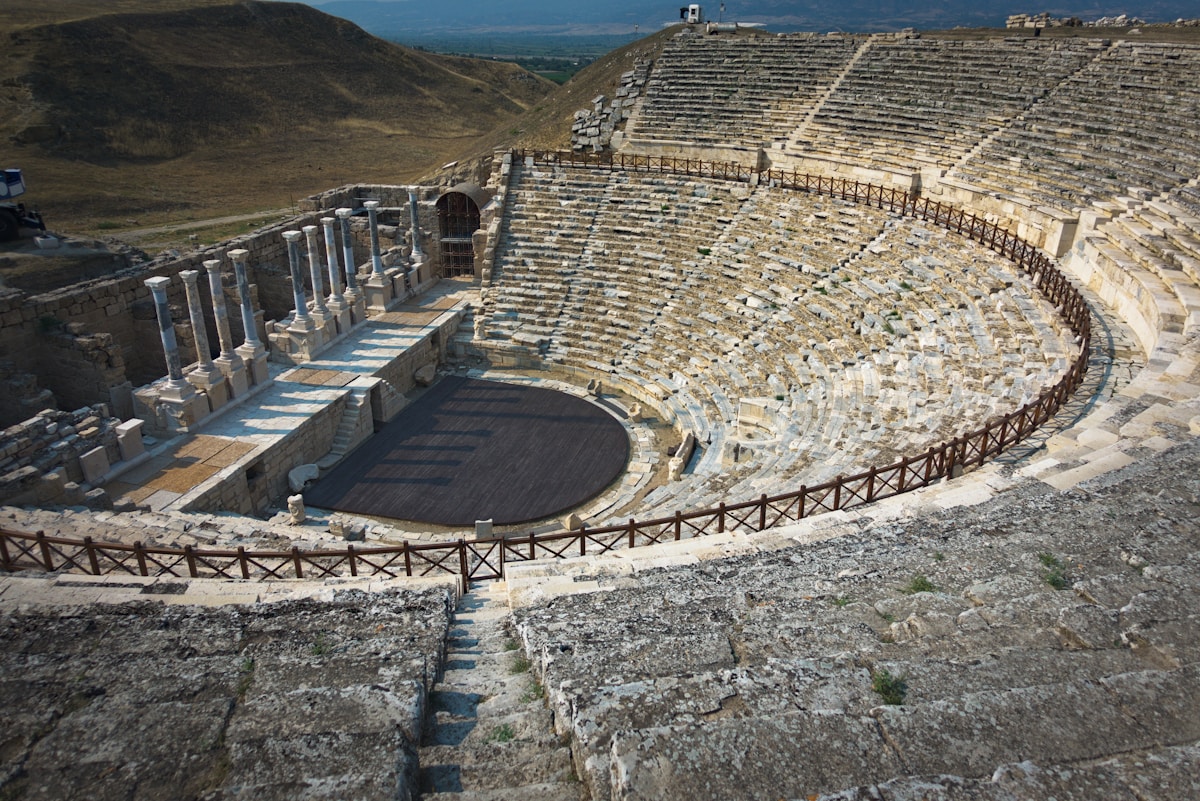
The original Roman city of Zeugma (before the dam flooding) - the excavated portions above the waterline include the remains of the Roman mosaic houses visible in the museum, a theatre, and the city grid. The site is partially submerged but significant archaeology remains accessible.
Access: Car from Gaziantep (1.5 hours); taxi round trip ₺300–400.
Activity summary
| Activity | Entry | Time | Notes |
|---|---|---|---|
| Zeugma Mosaic Museum | ₺200 | 2.5–3 hrs | Arrive at 09:00 |
| Gaziantep Castle | Free | 45–75 min | War Museum ₺80 inside |
| Copper Bazaar | Free | 45–60 min | Best mornings |
| Culinary Museum | ₺80 | 1–1.5 hrs | Food context |
| Baklava shops | Free (tasting) | 1–2 hrs | Multiple stops |
| Zeugma city (day trip) | ₺100 | Full day | 90km; car needed |
Search hotels in Gaziantep on Booking.com
Booking in advance: Browse tours and activities in Gaziantep - guided walks, skip-the-line tickets, and day tours are bookable ahead with free cancellation.