Safranbolu presents moderate challenges for vegan eating - the Black Sea food tradition is butter and dairy-rich; the signature lokum products contain dairy-derived components in some versions; the konak breakfast culture centres on cheese and eggs. The standard Turkish lokanta baseline provides reliable vegan options, and the bazaar has genuinely vegan products (certain lokum, honey, saffron). A short stay is manageable; an extended stay requires active navigation.
The Black Sea dairy challenge
The Black Sea region is Turkey’s butter and dairy culture - the cool mountain climate, the lush pastures, and the yayla (highland pasture) tradition produce milk and dairy of high quality, and the regional cooking uses butter generously. In Safranbolu:
- Breakfast: The konak breakfast centres on dairy - cheese, butter, yoghurt, eggs. The vegan components (olives, tomato, cucumber, bread) are always present but are the supporting cast to a largely dairy-based spread.
- Katmer and börek: Almost always contain butter and/or cheese.
- Muhlama: A corn-flour and cheese fondue - not vegan.
The approach: identify the vegan components at breakfast and eat them well; rely on the lokanta tradition for the more substantial vegan meals.
Lokanta baseline
The Turkish lokanta provides consistent vegan options through the zeytinyağlı (olive oil) tradition:
Reliable vegan dishes:
- Kuru fasulye (dried beans in tomato sauce) - confirm no meat stock. The correct question: “Et suyu olmadan yapabilir misiniz?” (Can you make it without meat stock?)
- Mercimek çorbası (red lentil soup) - confirm no butter at finishing: “Tereyağsız olsun” (without butter)
- Zeytinyağlı fasulye (beans in olive oil)
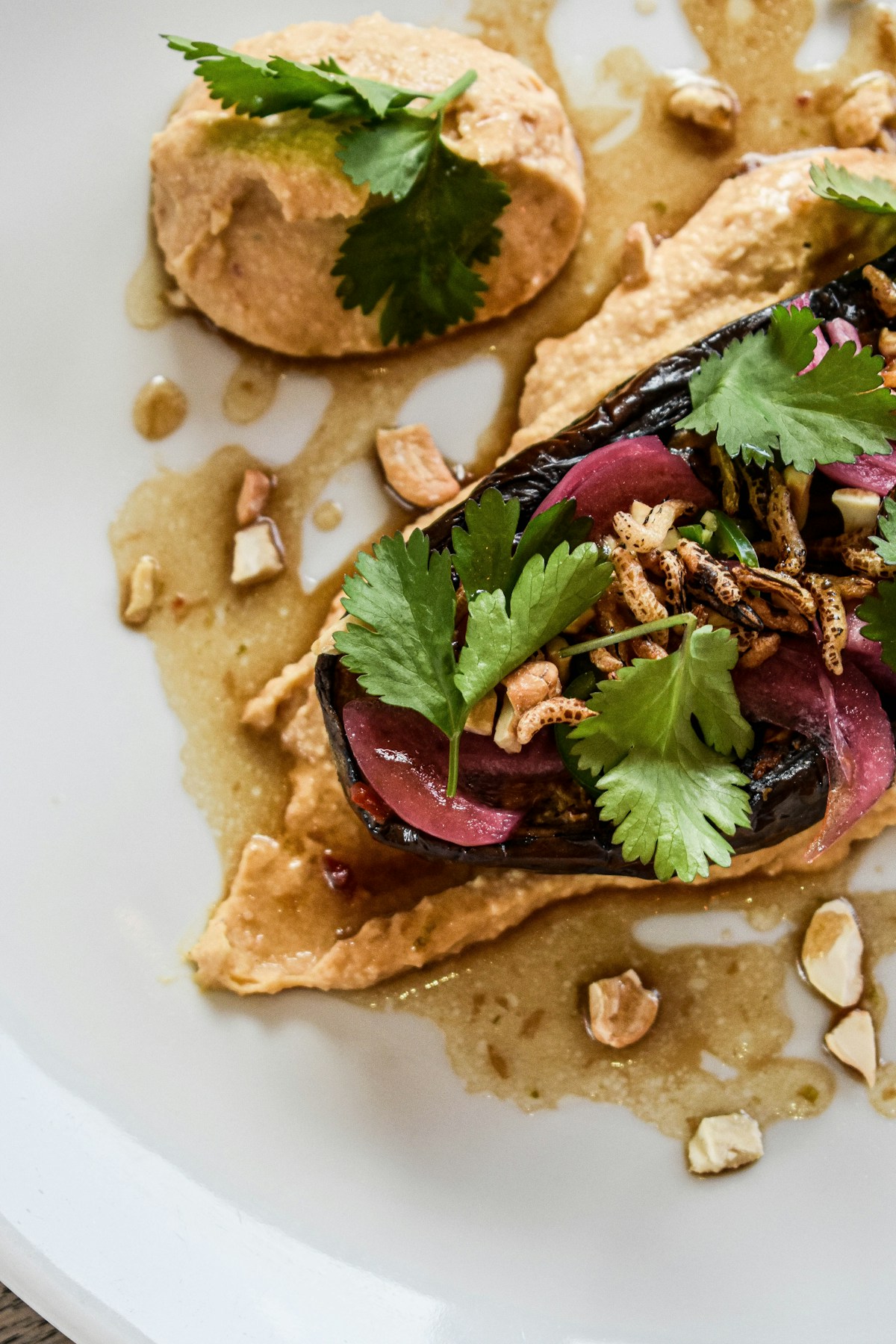
- İmam bayıldı (stuffed aubergine in olive oil)
- Pilaki (white beans in olive oil)
- Bulgur pilavı - confirm no butter
At the Safranbolu lokantas: The range of zeytinyağlı dishes varies by season and daily availability. Spring and summer bring more fresh vegetable preparations; winter is heavier on legumes and dried produce. Ask what the zeytinyağlı dishes are that day (“Bugünkü zeytinyağlı yemekler neler?”).
The lokum question
Lokum (Turkish delight) is the main food purchase in Safranbolu. The vegan status:
Generally vegan: Classic lokum is made from sugar, starch, water, and flavouring (rose water, saffron, bergamot extract). This base recipe is vegan.
Not vegan: Some Safranbolu producers add krem şanti (whipped cream) or süt (milk) to produce a creamier version - these are clearly labelled at most shops and are recognisable by their white or cream colour (compared to the standard translucent pink or yellow).
The kaymak (clotted cream) variant: Some celebrations and higher-end presentations include kaymak alongside the lokum - not in the lokum itself, but as a serving accompaniment. The lokum remains vegan; the kaymak is not.
Confirming vegan status: “İçinde süt veya süt ürünü var mı?” (Does this contain milk or dairy products?) is understood by the lokum shop staff.
Saffron and honey
Saffron (safran): Entirely plant-based. The best Safranbolu souvenir for vegans - genuine local saffron is exceptional and entirely vegan.
Honey: Technically not vegan under strict vegan definitions (it is an animal product). The local pine honey and acacia honey are otherwise available as excellent products; individual dietary positions apply.
Pide and gözleme
Pide: The standard cheese-topped pide is not vegan. However:
- Margarinli pide (plain bread, no topping - sometimes available as a side bread): vegan
- Ask for pide “peynirsiz, tereyağsız, kıymasız” (without cheese, butter, or minced meat) - the result is plain flatbread, less exciting but a filler when other options are limited
Gözleme: Spinach gözleme made without cheese and without butter on the sac (the griddle) is achievable on request. The dough itself is flour and water; the filling (ispanak - spinach with garlic) is vegan if no cheese is added. “Peynirsiz ve tereyağsız yapabilir misiniz?” (Can you make it without cheese and without butter?).
Turkish vocabulary for Safranbolu
| Turkish | Meaning |
|---|---|
| Vegan yemek var mı? | Do you have vegan food? |
| Et yok, tavuk yok | No meat, no chicken |
| Süt ve süt ürünleri yok | No milk or dairy |
| Tereyağsız | Without butter |
| Zeytinyağlı | Cooked in olive oil |
| İçinde ne var? | What’s in this? |
| Bu vegan mı? | Is this vegan? |
Practical summary
Safranbolu is manageable for vegans on a short stay (two to three days) - the lokanta baseline covers lunch and dinner adequately; the bazaar has genuinely vegan purchases (plain lokum, saffron, honey); the breakfast can be navigated by identifying the vegan components of the konak spread. For a longer stay, the butter-heavy cooking culture becomes more restricting - most of the specific Black Sea dishes (muhlama, butter-börek, kaymak preparations) are inaccessible.
The specific vegan finds: genuine Safranbolu saffron lokum (check no dairy); pine honey; saffron tea at bazaar cafés; plain spinach gözleme on request; zeytinyağlı vegetable dishes at the lokantas. These are adequate for a short visit; they do not constitute a complete vegan food culture.
Make the most of the food scene: Book a food tour of Safranbolu to sample the standout local spots with a guide who knows where residents actually eat. An eSIM for Turkey keeps you connected for navigating neighbourhoods and checking restaurant hours on the go.