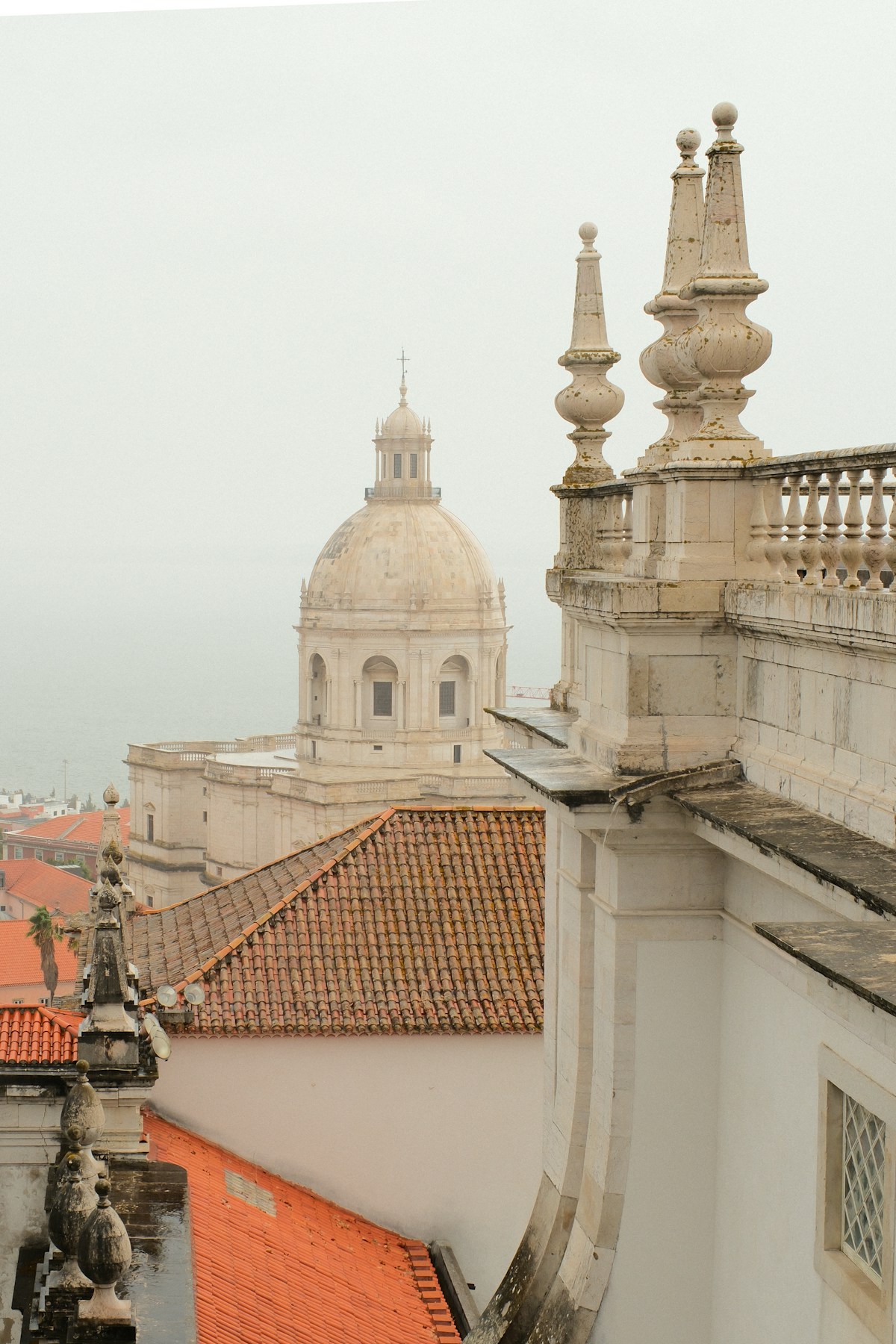
Safranbolu Travel Guide: UNESCO Ottoman Town & Saffron Heritage
Safranbolu travel guide - UNESCO World Heritage site, 1,000+ Ottoman konaks, saffron heritage, and one of Turkey's finest preserved historic towns.
Guides for Safranbolu
Safranbolu is one of Turkey’s most intact Ottoman towns - a UNESCO World Heritage Site since 1994, with over 1,000 registered Ottoman houses in the old city (Çarşı district), a well-preserved han and bazaar complex, and the specific Black Sea mountain setting that made it a wealthy commercial centre on the Istanbul–Sinop trade route.
The name comes from saffron (safran in Turkish) - the city was historically a saffron-producing centre, and while large-scale cultivation has declined, saffron and the Turkish delight (lokum) produced here are the city’s souvenir identity.
Safranbolu is small (population approximately 60,000), predominantly visited as a weekend trip from Ankara (220km) or Zonguldak, and can be thoroughly explored in two days. The old city - the Çarşı district - functions as a living museum: people live in the Ottoman houses, work in the bazaar workshops, and navigate the narrow cobbled streets alongside tourists. This is the quality that distinguishes it from a preserved-but-empty heritage site.
Why visit Safranbolu
The Ottoman houses: The Safranbolu konaks (Ottoman manor houses) are the finest surviving examples of their type in Turkey. The characteristic features - overhanging upper floors (cumba), distinctive bay windows, interior wooden panelling, elaborate ceiling decorations - are preserved here at a density and integrity unavailable elsewhere. The Kaymakamlar Evi (Governor’s House Museum) and the Hacı Hüseyinler Evi are open to the public. Browse Safranbolu tours and activities on GetYourGuide for guided walking tours through the Çarşı bazaar district and cultural experiences in restored Ottoman mansions.
The bazaar district: The Çarşı (bazaar) area - the hans, covered workshops, the central mosque - has been in continuous commercial use since the 17th century. The copper workshop district, the saffron and lokum shops, and the specific atmosphere of a functioning Ottoman bazaar are more authentic here than in comparable tourist towns.
The landscape: Safranbolu sits in a valley carved by the Gümüşçay River - the old city visible from the valley sides, the modern city (Kıranköy) on the plateau above. The approach by road, descending into the valley, reveals the Ottoman roofline and the minaret of the Cinci Hanı against the forested hillside.
Lokum (Turkish delight): Safranbolu produces a specific lokum - dense, flavoured with rose, bergamot, or saffron, slightly starchier in texture than the Istanbul commercial version. The local sweet shops (lokumcular) on the main bazaar street are the primary souvenir destination.
Neighbourhoods
Çarşı (old city): The UNESCO-protected core - Ottoman houses, the han, the bazaar, the mosque complex. All historic sites within walking distance. The correct base for visitors.
Kıranköy: The modern upper town on the plateau - the main bus terminal is here; accommodation options; no historic interest.
Bağlar district: A third settlement zone of Ottoman summer residences on the plateau edge - fewer visitors; the houses here are the summer (yayla) version of the mansions in Çarşı.
Quick facts
| Fact | Detail |
|---|---|
| Population | ~60,000 |
| Altitude | 650m (Çarşı valley) |
| UNESCO designation | 1994 |
| Distance from Ankara | 220km (~2.5 hrs by car) |
| Distance from Istanbul | 400km (~5 hrs by car) |
| Airport | None nearby; Karabük station on railway |
| Best season | April–June, September–October |
Getting there
Car (recommended): From Ankara via D-765/D-010: 220km, approximately 2.5 hours. From Istanbul via E-80/D-100: 400km, approximately 5 hours. Renting a car in Turkey is the most flexible approach; driving into the Çarşı valley requires navigating narrow roads, so park at the valley entrance parking areas and walk in.
Bus: Safranbolu is served by intercity buses from Ankara (3–4 hours, ₺150–250) and Istanbul (5–6 hours, ₺200–350) to the Kıranköy bus terminal. Local minibuses connect Kıranköy to Çarşı (15 minutes).
Train: The Karabük railway station (12km from Safranbolu) is on the Ankara–Zonguldak line. Local bus or taxi from the station.
When to visit
April–June: The best season - the valley is green, temperatures are comfortable (15–25°C), and the town is less crowded than the peak summer period.
September–October: Autumn colour in the surrounding forests; comfortable temperatures; reduced visitor numbers.
July–August: Peak domestic tourism season - the town fills with Turkish weekend visitors from Ankara and Istanbul; accommodation books out; the bazaar is at its liveliest but most crowded.
Winter (November–March): Cold and sometimes snowy - the valley can hold snow in January and February. The atmosphere of the Ottoman houses in winter light is compelling; visitor numbers are low; some accommodation closes.
Explore Safranbolu
- Things to do in Safranbolu
- Where to stay in Safranbolu
- Best hotels in Safranbolu
- Best restaurants in Safranbolu
- Food to try in Safranbolu
- Vegan food in Safranbolu
- Best cafes to work in Safranbolu
- Safranbolu food guide
- History of Safranbolu
- Hiking near Safranbolu
- Digital nomad in Safranbolu
Search hotels in Safranbolu on Booking.com
Getting there: Flights to Turkey connect via Istanbul with most European carriers. For a door-to-door arrival, pre-book an airport transfer for fixed-price, hassle-free pickup. An eSIM for Turkey activates before you land and keeps you connected from the moment you clear arrivals.
Book an experience
Top experiences in Safranbolu
Explore the best tours and activities in Safranbolu, with instant confirmation and free cancellation on most bookings.
Find hotels in Safranbolu
Explore accommodation in Safranbolu →We earn a small commission at no cost to you.