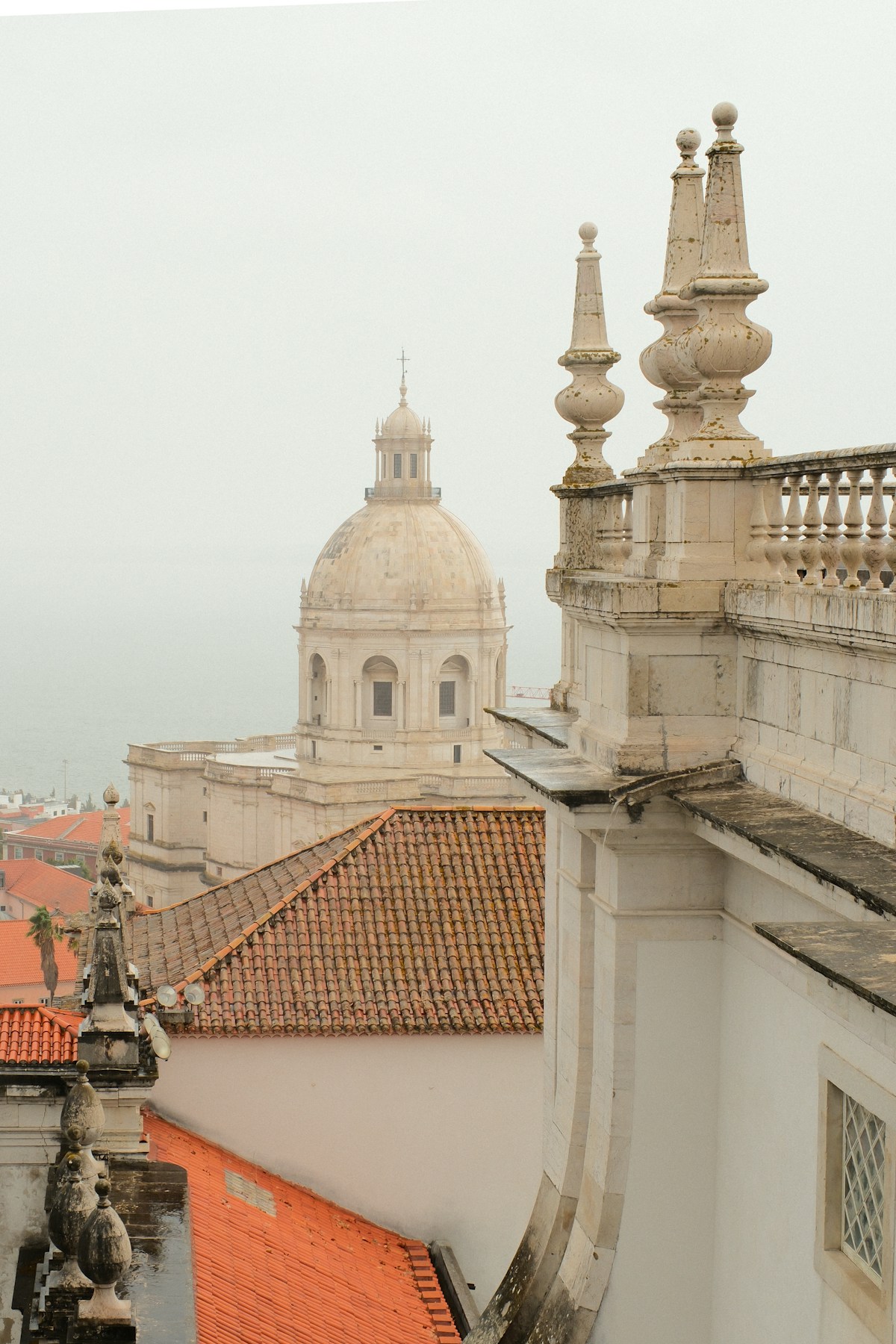
Safranbolu is a small town thoroughly walkable in two days. The main attractions are concentrated in the Çarşı valley - the Ottoman house district, the Cinci Hanı, the bazaar workshops, and the Kaymakamlar Evi mansion museum. Beyond the old city, the surrounding Black Sea mountain landscape offers accessible walking and day trips.
Çarşı district (Old City walk)
The UNESCO-protected Çarşı district is the primary attraction - a valley full of intact Ottoman konaks (manor houses), with over 1,000 registered historic buildings. Walking the district requires no plan: the narrow cobbled streets between the overhanging upper floors, the occasional courtyard glimpsed through a doorway, and the constant visual interest of the architecture make undirected exploration the correct approach.
Duration: A thorough walk covering the main lanes and viewpoints: 2–3 hours.
The cumba (bay window): The defining feature of Safranbolu architecture is the cumba - the projecting upper-floor bay window that overhangs the street. The cumba maximises interior floor space in the narrow valley streets; the visual effect (upper floors projecting above narrowing lanes, framing sky between facing houses) is the quintessential Safranbolu image.
Entry: Free for the streets. Specific house museums have entry fees (see below).
Best timing: Morning (08:00–10:00) before the tour groups arrive from Ankara; late afternoon (16:00–18:00) when the light is best on the ochre and terracotta facades.
Cinci Hanı
The Cinci Hanı - a 17th-century caravanserai built by Cinci Hoca (the influential Ottoman court figure and physician) - is the largest and best-preserved han in northern Anatolia. The two-storey courtyard structure originally housed merchants travelling the Istanbul–Sinop–Black Sea route; the stabling (ground floor) and merchant accommodation (upper floor around the courtyard) structure is intact and visible.
Current use: The Cinci Hanı functions today as a hotel (the Cinci Hanı Hotel) - overnight guests can sleep in the converted upper-floor rooms of the historic caravanserai. The courtyard is accessible to day visitors.
Historical context: The han represents the Ottoman infrastructure of long-distance trade - the caravanserai system that connected Istanbul to the Black Sea ports and onward to Central Asia. Safranbolu’s position on this route was the source of the wealth that built the Ottoman houses.
Entry: Courtyard accessible for walking; hotel guests have full access. Courtyard viewing: free.
Kaymakamlar Evi (Governor’s House Museum)
The most accessibly presented of Safranbolu’s historic houses - a restored Ottoman konak open to the public as a period house museum.
What you see: The interior of a wealthy Ottoman provincial household - the selamlık (men’s reception area), the harem (family quarters), the specific room functions (reading room, bathroom with under-floor heating, prayer corner), the elaborate ceiling and wall decorations, the built-in storage systems. The restoration is careful and the English information adequate.
Entry: ₺50. Hours: Tuesday–Sunday, 09:00–17:00. Duration: 45–75 minutes.
The key details: The under-floor hypocaust heating system - a Turkish adaptation of the Roman hypocaust - shows the sophistication of Ottoman domestic heating engineering. The wooden ceiling decorations (painted and carved) in the reception rooms represent the highest investment of the house; studying them closely reveals the hierarchy of rooms in Ottoman domestic space.
Hacı Hüseyinler Evi
A second period house museum, slightly larger than the Kaymakamlar Evi - a mid-19th century merchant’s house with intact rooms and furnishings.
Entry: ₺50. Hours: Tuesday–Sunday, 09:00–17:00.
The comparison: The Hacı Hüseyinler Evi is a larger house than the Kaymakamlar Evi, with a more prominent çeşme (fountain) in the courtyard. Worth visiting if you want to compare house types - the wealth level of the owner is visible in the scale of the rooms and the quality of the decorative work.
Izzet Paşa Mosque (Grand Mosque)
The principal mosque of the Çarşı district - an Ottoman mosque of the late 18th century with a distinctive silhouette visible from the surrounding hillsides.
Entry: Free (remove shoes; dress modestly). Hours: Open outside prayer times.
The mosque’s interior has the typical Ottoman provincial scheme - a single dome, painted arabesque decorations, a wooden gallery for women. The courtyard and the approach from the main bazaar street are the most photographed angles.
The lokum and saffron bazaar
The main commercial street of the Çarşı district is lined with lokum (Turkish delight) shops and saffron sellers - the two products most specifically associated with Safranbolu.
Lokum: The Safranbolu lokum is denser and less sugary than the Istanbul commercial version. The classic flavours - rose (gül), bergamot (bergamot, from the Black Sea coast), and saffron - are available at the main shops. Price: ₺100–300 per 500g.
Saffron: Local saffron (genuine Safranbolu-grown, not imported Iranian product relabelled) is available at some specialist shops - ask specifically for “Safranbolu safranı.” The difference in price (₺500–2,000/gram for genuine local) versus the imported product (₺100–300/gram) signals the origin. The taste difference is detectable.
Copper workshops: The Safranbolu copper bazaar has working workshops producing traditional copperware - trays, coffee pots, ewers. Watching the hammering and repousse work is one of the more satisfying craft observations available in Turkish bazaars. Prices: ₺150–1,500 depending on piece size and complexity.
Yörük Köyü (Yörük Village)
Distance: 15km east of Safranbolu.
A well-preserved Yoruk (nomadic Turkmen) village with stone houses, animal husbandry, and a way of life that has changed less than the commercialised Çarşı district. The village is accessible by car or minibus.
What to see: Stone village houses with wooden upper floors (different from the plaster-and-timber Çarşı konak style); traditional animal husbandry (goats, bees); the village kahvehane.
Best for: Travellers who want the non-tourist version of traditional Black Sea mountain life alongside the Safranbolu heritage experience.
Tokatlı Canyon (day trip)
Distance: 25km northwest of Safranbolu.
The Tokatlı Canyon - a limestone gorge carved by the Araç Stream - is the best natural landscape destination accessible from Safranbolu.
The walk: A canyon floor trail (approximately 7km one-way, 3–4 hours) through the narrow gorge - limestone walls rising above, the stream alongside, several cave formations in the canyon walls. The most dramatic section (the first 2–3km) is accessible as a shorter circuit.
Access: Car or local minibus to the canyon trailhead at Tokatli village. The trail is well-marked.
Best season: April–June (spring flow in the stream; vegetation) and September–October (comfortable temperatures; autumn foliage).
Safranbolu sightseeing summary
| Site | Entry | Duration | Essential? |
|---|---|---|---|
| Çarşı district walk | Free | 2–3 hrs | Yes |
| Cinci Hanı courtyard | Free | 30–45 min | Yes |
| Kaymakamlar Evi | ₺50 | 45–75 min | Yes |
| Lokum and saffron bazaar | Free (shopping) | 30–60 min | Yes |
| Hacı Hüseyinler Evi | ₺50 | 45 min | Optional |
| Yörük Köyü | Free | 1–2 hrs | If time |
| Tokatlı Canyon | Free | 3–4 hrs | Day trip |
Search hotels in Safranbolu on Booking.com
Booking in advance: Browse tours and activities in Safranbolu - guided walks, skip-the-line tickets, and day tours are bookable ahead with free cancellation.