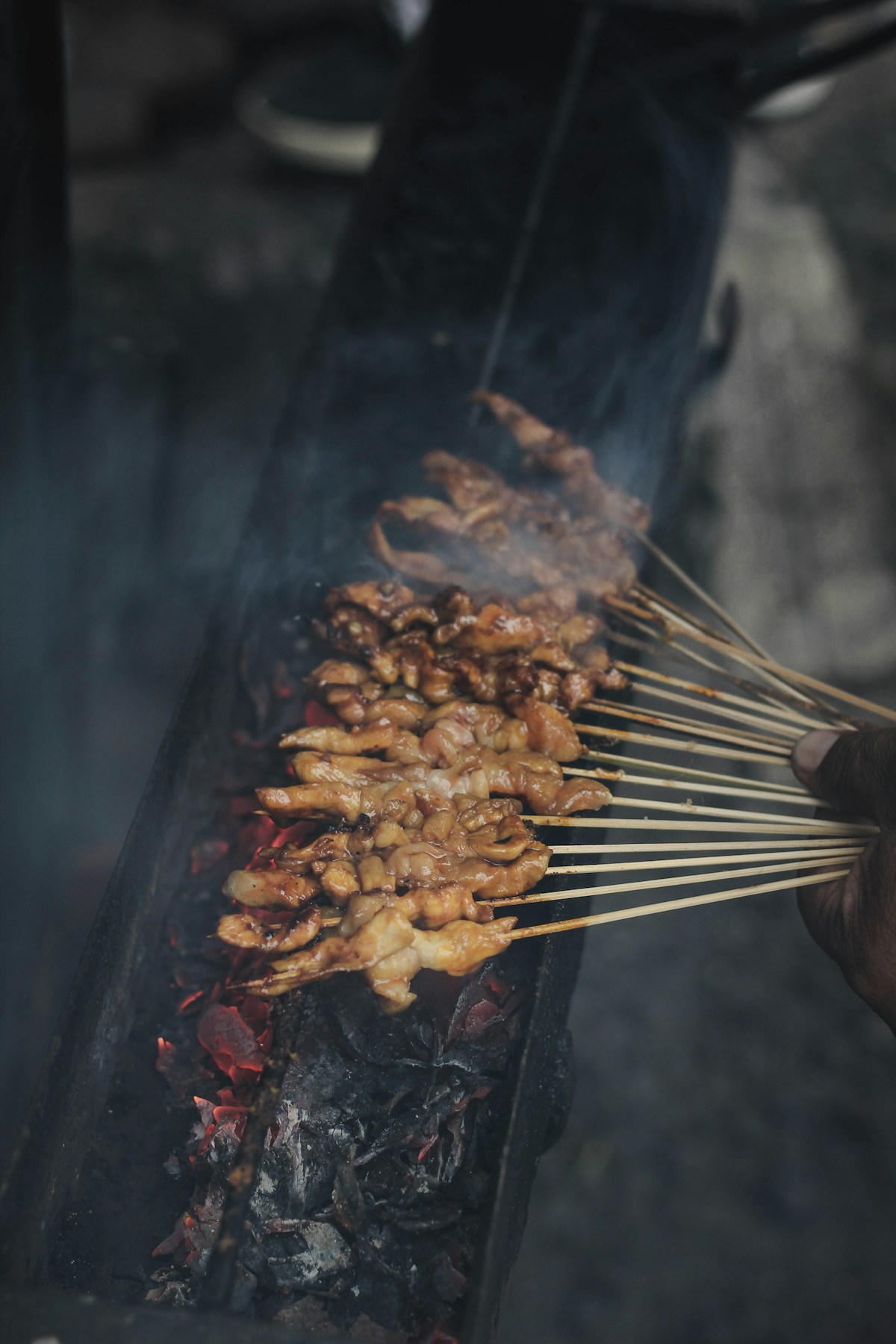
Trabzon’s food culture is one of Turkey’s most distinctive regional cuisines - shaped by the Black Sea climate (high rainfall enabling maize and tea cultivation), the sea (anchovy in extraordinary seasonal abundance), the mountains (cattle on the yaylalar, producing exceptional dairy), and the specific food heritage of the eastern Black Sea coast peoples (the Laz, Hemşin, and regional Turkish communities).
Understanding Trabzon food means understanding that it diverges significantly from the Aegean olive oil and meze tradition that most visitors associate with Turkish cuisine. The fat here is butter, not olive oil. The grain here is maize corn, not wheat alone. The fish here is hamsi, not sea bass and bream. The dishes are specific to this geography.
For specific dishes, see food to try in Trabzon. For restaurants, see best restaurants in Trabzon.
Hamsi culture
The Black Sea anchovy (hamsi) is the central animal protein of the eastern Black Sea food culture. The autumn migration of anchovies into the Black Sea produces an annual abundance that has shaped a complete cuisine around a single species.
The season: October–February, when the anchovy schools move south through the Black Sea and into the shallower coastal waters. In this period, fresh hamsi appears in every form. Outside this period, dried, salted, or frozen hamsi is available but the character is completely different.
The scope: Trabzon cuisine has developed hamsi preparations that cover every mealtime: hamsi in rice for the main meal, hamsi köfte for snacking, hamsi in bread (hamsi ekmek) from the bakeries, raw hamsi salad for the aperitivo, tava hamsi (fried in cornmeal) as the fast casual version.
Cultural significance: The identification of the eastern Black Sea people with hamsi is so strong that “hamsi” has become a colloquial term for the people of the region - used self-referentially and affectionately. The anchovy’s role is comparable to olive oil on the Aegean coast: the ingredient that defines the region’s food identity.
Mıhlama and corn culture
The eastern Black Sea coast receives significant rainfall (3,000–3,500mm/year in some areas) - enough to support maize corn cultivation that is impossible in drier Turkish regions. Corn entered the region in the 17th century (following its introduction to the Ottoman Empire from the Americas) and became foundational.
Mıhlama/kuymak: The dish that best expresses the corn-and-dairy culture - cornmeal cooked with butter and the local tulum or kolot cheese until it becomes a hot, elastic, viscous mass. Rich, intensely salty, filling. Eaten from the pan with a spoon while hot.
Cornbread (mısır ekmeği): The Black Sea corn bread has a different texture from wheat bread - denser, slightly crumbly, mildly sweet. Made in wood-fired stone ovens at specific bakeries. Extraordinary when fresh.
Karalahna: A specific cornbread variety associated with Trabzon - sometimes made with black cabbage (karalahna in Turkish) incorporated into the dough.
Black Sea dairy
The cattle of the eastern Black Sea mountains graze on the high yaylalar - summer pastures at 2,000m+ altitude with meadow grasses and wildflowers that produce milk with exceptional fat content and flavour complexity.
Trabzon butter (tereyağı): Made from churned summer cream, Trabzon butter is yellow, intensely flavoured, with a complexity from the meadow grass diet. It is one of the best food products to bring from the region. ₺150–250/kg at the market.
Kolot peyniri: A fresh unsalted white cheese specific to the Trabzon area - creamy, mild, eaten at breakfast and used in mıhlama. Not to be confused with factory beyaz peynir.
Tulum peyniri: An aged pressed cheese matured in an animal-skin (tulum) container - stronger flavour, more complex than kolot.
Tea culture
Rize province (adjacent to Trabzon to the east) produces essentially all of Turkey’s commercially grown tea. The steep hillsides covered in tea bushes are visible from the coast road east of Trabzon.
The drinking culture: Çay is drunk throughout the day - at breakfast, between meals, after meals, during business meetings. The Black Sea çay culture is particularly strong, and the locally grown tea is brewed from fresher, better-quality leaves than the blended teas used elsewhere in Turkey.
Çay bahçesi: The tea garden is a fundamental Black Sea institution - sitting outdoors with tea, watching the sea or the hills, for hours. ₺20–30 per glass.
Trabzon’s specific food identity
What distinguishes Trabzon food from the rest of Turkey:
- Hamsi-centricity: No other Turkish regional cuisine is as defined by a single ingredient.
- Corn base: Mıhlama, cornbread, and corn-based dishes don’t exist in the same form elsewhere.
- Butter over olive oil: The fat of choice is butter from the mountain cattle, not olive oil.
- Mountain dairy quality: The yayla system produces exceptional seasonal dairy that reaches the city market.
- Tea and hazelnut: Both grown locally; both central to the food culture.
Dishes You Must Try
Trabzon’s cuisine is one of Turkey’s most distinctive regional food cultures - shaped by the Black Sea climate, the sea (anchovy in extraordinary abundance in autumn and winter), and the mountain culture of the Kaçkar range. These are the dishes that you should seek out.
Hamsi (Black Sea anchovy)
The Black Sea anchovy (hamsi) is the defining ingredient of the eastern Black Sea coast - so central to the culture that the people of the region are sometimes called “hamsi people.” The season runs October–February; outside this period, dried or frozen hamsi is available but the quality difference is significant.
- Hamsi pilavı: Rice pilaf with anchovies layered through and baked - the single most characteristic Trabzon dish. ₺120–180
- Hamsi köfte: Ground anchovy meatballs - unusual texture, intense flavour
- Hamsi ekmek: Anchovies baked into cornbread - sold at bakeries during the season
- Tava hamsi: Simple pan-fried anchovy with cornmeal coating - the standard fast presentation. ₺100–150
- Raw hamsi salad: Fresh anchovy marinated in lemon and olive oil - only with absolute freshness; ask whether it’s from today’s catch
At the peak of the season (November–December), eating fresh hamsi every day is not excessive.
Mıhlama (Kuymak)
The most emblematic Black Sea dish - a hot, elastic mass of cornmeal cooked with butter and local Trabzon cheese (kolot or tulum) until it becomes a viscous, fondue-like consistency. Eaten with a spoon directly from the pan while hot; it sets as it cools.
Character: Intensely rich, salty, slightly cheesy. The corn flour gives it a different texture from polenta - more elastic, less grainy. The butter quantity is significant. The mıhlama quality depends heavily on using the right local cheese.
Price: ₺100–150 per portion at every lokanta and traditional restaurant in Trabzon.
Laz böreği
A Black Sea dessert pastry - unlike the savoury börek of the rest of Turkey, this is a sweet pastry filled with pastry cream (muhallebi), dipped in egg, and fried or baked. Rich, eggy, custardy filling in thin pastry - a breakfast or dessert item.
Price: ₺50–80 per piece from bakeries.
Trabzon bread (Trabzon ekmeği)
Trabzon has a specific bread tradition - cornbread varieties with a distinct texture from standard Turkish white bread.
- Mısır ekmeği (Black Sea cornbread): Dense, slightly coarse, mildly sweet. Made from corn flour in wood-fired stone ovens. Extraordinary when fresh; doesn’t keep as long as wheat bread. ₺20–40 per loaf
- Karalahna: A specific cornbread variety sometimes made with black cabbage incorporated into the dough
Akçaabat köfte
The neighbouring district of Akçaabat (15km west of Trabzon) is famous for its specific köfte preparation - made from beef without egg or breadcrumb (just meat and salt), grilled over charcoal. Several restaurants in the district and in Trabzon specialise in this.
Price: ₺150–250 for a portion.
Black Sea dairy
The cattle of the eastern Black Sea mountains graze on high yaylalar at 2,000m+ altitude with meadow grasses and wildflowers producing milk with exceptional fat content and flavour complexity.
- Trabzon tereyağı (butter): Made from churned summer cream - yellow, intensely flavoured, with complexity from the meadow grass diet. One of the best food products to bring from Trabzon. ₺150–250/kg
- Kolot peyniri: A fresh unsalted white cheese specific to the Trabzon area - creamy, mild, eaten at breakfast and used in mıhlama. ₺80–150/kg
- Tulum peyniri: An aged pressed cheese matured in an animal-skin container - stronger flavour, more complex than kolot
Black Sea breakfast
A proper Black Sea breakfast in Trabzon: kuymak or mıhlama, local kolot cheese, bal-kaymak (honey with clotted cream), mısır ekmeği (cornbread), boiled eggs, local olives, and fresh tea. Heavier and richer than a standard Turkish breakfast - the dairy and corn base reflects the mountain food culture.
Price: ₺80–150/person at a market-area tea house.
Price summary
| Food | Where | Cost |
|---|---|---|
| Mıhlama/kuymak | Lokanta | ₺100–150 |
| Hamsi pilavı | Restaurant | ₺120–180 |
| Fried hamsi (portion) | Restaurant | ₺100–150 |
| Akçaabat köfte | Restaurant | ₺150–250 |
| Laz böreği | Bakery | ₺50–80 |
| Black Sea breakfast | Tea house | ₺80–150 |
| Trabzon butter | Market | ₺150–250/kg |
Make the most of the food scene: Book a food tour of Trabzon to sample the standout local spots with a guide who knows where residents actually eat. An eSIM for Turkey keeps you connected for navigating neighbourhoods and checking restaurant hours on the go.