Trabzon Travel Guide 2026: Black Sea City, Hagia Sophia
Trabzon guide covers Sumela Monastery, the Byzantine Hagia Sophia, Uzungol lake village, Kackar Mountains access and Black Sea cuisine.
Guides for Trabzon
Trabzon is Turkey’s largest city on the Black Sea coast and the capital of the eastern Black Sea region - a place quite unlike anywhere on the Aegean or Mediterranean coast. The landscape is dramatically different: dense forest covering steep mountains that plunge to the sea, high humidity and rainfall (the Black Sea coast receives 3x the precipitation of the Aegean), and a climate that allows tea and hazelnut cultivation at commercial scale.
The city sits at the western end of the historic Trabzon Empire (1204–1461 CE) - the last surviving fragment of the Byzantine world after the Crusaders sacked Constantinople. The Hagia Sophia of Trabzon (a 13th-century Byzantine church), the Byzantine castle, and the extraordinary Sumela Monastery (40km south, carved into a cliff face 1,000 metres above the forest valley) are the heritage legacy of this late Byzantine period.
What makes Trabzon distinctive
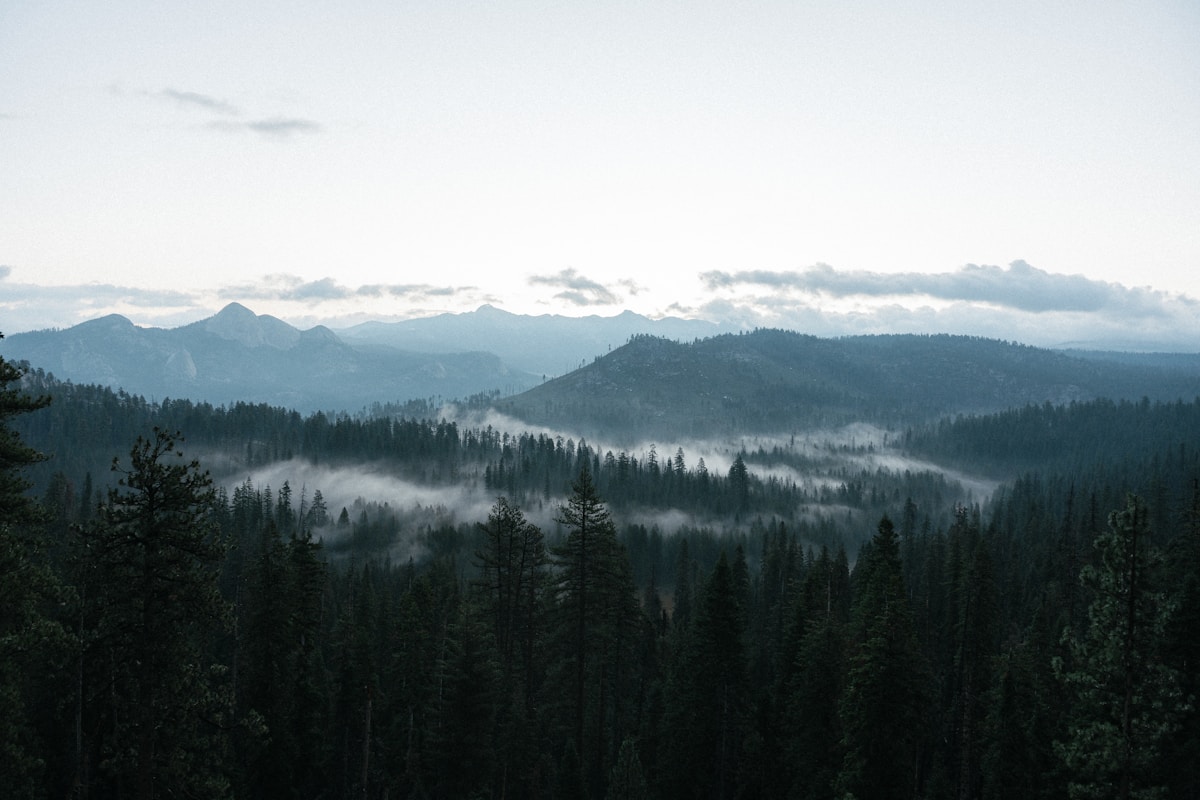
The Black Sea landscape: The eastern Black Sea coast is one of Turkey’s most visually dramatic - dense forest, steep mountains, waterfalls, and a coast completely unlike the dry limestone of the Aegean. Tea plantations cascade down the hillsides; hazelnut orchards fill every flat surface; the sea is greener and wilder than the Aegean.
Food culture: Trabzon food is distinct from the rest of Turkey - Black Sea cuisine built around hamsi (anchovy), maize corn dishes, dairy, and the specific mountain produce of the Kaçkar range. Mıhlama (corn and cheese fondue), Black Sea hamsi in every form, and Trabzon’s specific bread types are genuinely different.
Sumela Monastery: A Greek Orthodox monastery founded in the 4th century CE, built directly into a sheer cliff face 1,000 metres above the Altındere valley, 40km south of Trabzon. The monastery is still accessible today; the Byzantine frescoes in the rock church survive in damaged but legible form.
Daily costs
| Category | Budget | Mid-range |
|---|---|---|
| Accommodation | ₺500–1,000 | ₺1,000–3,000 |
| Food | ₺180–320 | ₺320–600 |
| Activities | ₺100–400 | ₺400–800 |
| Transport | ₺40–100 | ₺100–300 |
| Total/day | ₺820–1,820 | ₺1,820–4,700 |
When to visit
May–June and September–October are the best months. The Black Sea climate means some rainfall is likely year-round - the coast receives roughly 1,800mm/year - but the shoulder seasons give the best combination of green landscape, manageable visitors, and comfortable temperatures (16–24°C).
July–August: Warm (22–28°C), busier at Sumela and Uzungöl, but functional. The Kaçkar highlands are at their best for trekking in July–August.
October–November: Autumn colour on the beech forest slopes above the coast is the most visually striking season. Uzungöl in late October, before the winter fog sets in, is worth timing a trip around.
Winter (December–March): Wet, cool (8–14°C coast; colder at altitude), grey. Sumela is accessible but the approach can be muddy. Some Uzungöl accommodation closes. Trabzon city functions normally.
Connections
Trabzon Airport (TZX) is 7km east of the city centre - well-connected with frequent flights to Istanbul (90 minutes), Ankara, and some European cities. Bus from Trabzon to Rize (1 hour), Artvin (3 hours), and Erzurum (4.5 hours for Kaçkar Mountain access).
Key sights and entry costs
Sumela Monastery (Sümela Manastırı): 40km south of Trabzon in the Altındere National Park. Entry ₺300. The paved path from the car park to the monastery takes 20–30 minutes uphill. Open 08:00–19:00 (summer), 08:00–17:00 (winter). The monastery complex includes the rock church (with Byzantine frescoes), the main church, cisterns, and a kitchen. Allow 2–3 hours for the site itself. Browse Trabzon tours and activities on GetYourGuide for guided Sumela visits, Uzungöl lake tours, and Kaçkar Mountain treks with knowledgeable local guides.
Trabzon Hagia Sophia (Ayasofya Müzesi): A 13th-century Byzantine church on the western edge of the city, converted to a mosque; the fresco fragments survive in the narthex and apse. Entry ₺100. 4km from the city centre by taxi (₺50–80) or dolmuş.
Trabzon Museum (Müzesi): The former Ottoman government building, with artefacts from the Pontic Greek period and the Ottoman city. Entry ₺75. City centre location.
Atatürk Köşkü: The villa where Atatürk stayed during his 1924 Trabzon visit, on the hillside above the city with Black Sea views. Entry ₺100. 5km from the centre; taxi ₺80–100.
Getting around Trabzon
Dolmuş (shared minibus): The main transport in Trabzon — routes run frequently on the coastal road and up into the city districts. ₺10–25 per journey. The dolmuş to Akçaabat (for Akçaabat köfte) departs from Meydan and costs ₺15–20 (20 minutes).
Taxi: Short city trips: ₺50–100. From airport: ₺150–200.
To Sumela: Organised tours depart from the city centre (₺200–400/person, including transport and guide). Taxis to the park entrance: approximately ₺300–450 return with waiting time. Local dolmuş to Maçka (the junction town): ₺20–30; then taxi from Maçka to park entrance: ₺80–120.
Food overview
Trabzon’s food culture is the most distinctive on the Black Sea. The defining dishes: mıhlama (corn and cheese fondue, eaten straight from the copper pan), hamsi in season (October–February), and the Black Sea breakfast with cornbread (mısır ekmeği), kolot cheese, and honey with kaymak. The lokantalar around the bazaar serve the full menu for ₺120–200 per person.
- Things to do in Trabzon
- Beaches in Trabzon
- Where to stay in Trabzon
- Best hotels in Trabzon
- Best restaurants in Trabzon
- Food to try in Trabzon
- Vegan food in Trabzon
- Best cafes to work in Trabzon
- Trabzon food guide
- History of Trabzon
- Hiking near Trabzon
- Digital nomad in Trabzon
- Day trips from Trabzon
Search hotels in Trabzon on Booking.com
Getting there: Flights to Turkey connect via Istanbul with most European carriers. For a door-to-door arrival, pre-book an airport transfer for fixed-price, hassle-free pickup. An eSIM for Turkey activates before you land and keeps you connected from the moment you clear arrivals.
Book an experience
Top experiences in Trabzon
Explore the best tours and activities in Trabzon, with instant confirmation and free cancellation on most bookings.
Find hotels in Trabzon
Explore accommodation in Trabzon →We earn a small commission at no cost to you.