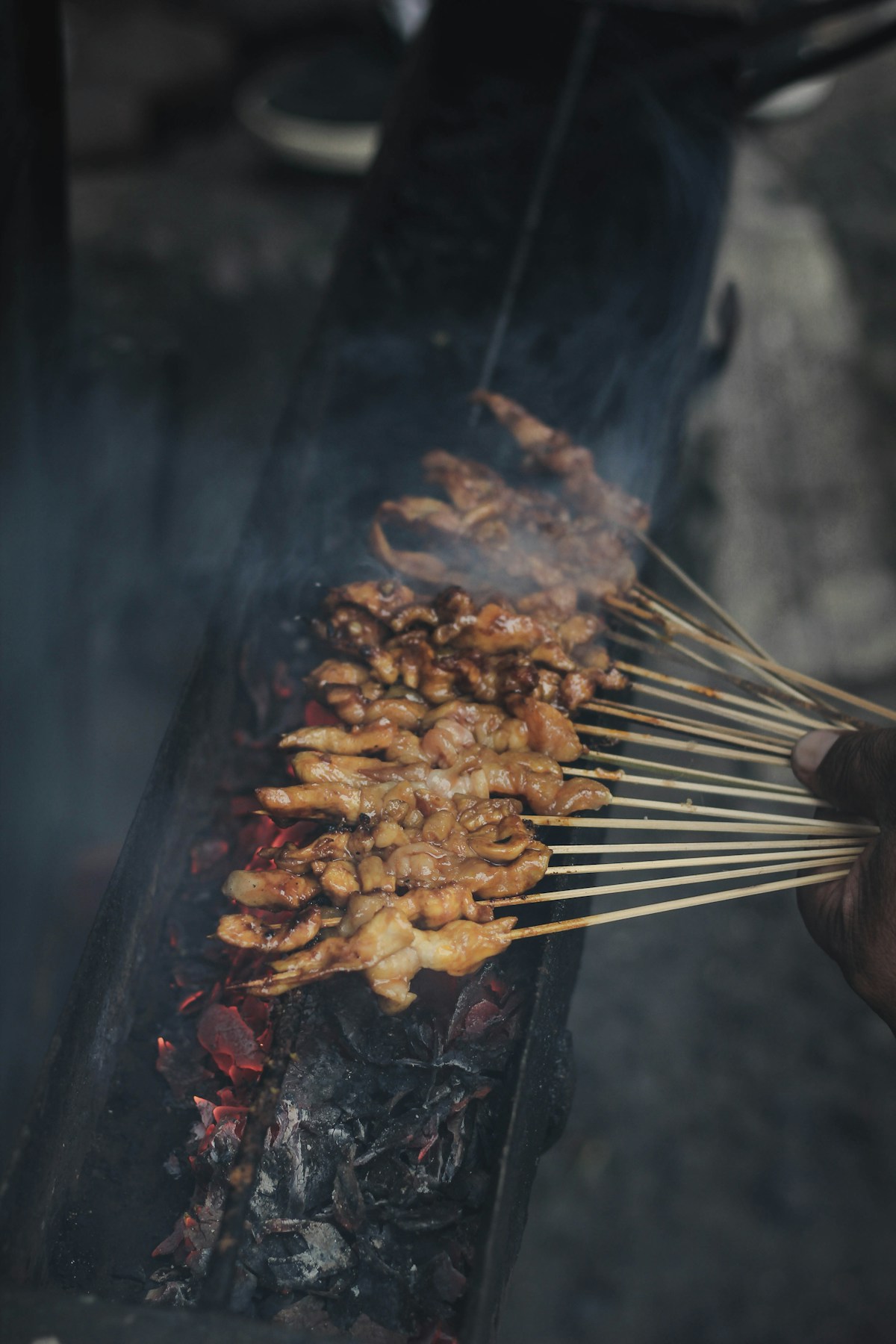
Antalya’s food culture is shaped by geography in ways that are legible on every menu. The city sits at the edge of the Mediterranean, backed by the Taurus mountains - coast and interior in immediate proximity. Olive oil from trees that grow on limestone hillsides 30km from the city; fresh fish from the morning catch; vegetables from the Taurus foothills; spice traditions from the inland Anatolian cities that supplied this harbour town for centuries. The result is a distinctive regional cuisine that doesn’t map neatly onto “Turkish food” as a generic category.
The regional character of Antalya’s food
Antalya province is the largest producer of greenhouse vegetables in Turkey - the plains between the city and the mountains produce tomatoes, cucumbers, peppers, and courgettes at scale. But what defines Antalyan cooking at its best is not the greenhouse production: it’s the olive oil tradition of the coastal hills, the wild produce from the Taurus, and the specific beans-and-tahini pairing that defines the city’s signature dish.
Piyaz is the emblem of this identity. White beans, tahini dressing, parsley, onion, black olives, hard-boiled egg - served at room temperature alongside köfte (grilled minced meat patties) and bread. The tahini in the dressing is the distinctively Antalyan element; elsewhere in Turkey, piyaz uses olive oil and vinegar. Here, the tahini makes it richer, more substantial, and genuinely its own thing. Every lokanta in the city serves it. Visitors who order it here and then encounter piyaz elsewhere understand immediately why Antalya’s version is considered superior.
Zeytinyağlı dishes - vegetables braised in olive oil and served at room temperature - are common throughout Turkey’s Aegean and Mediterranean coasts, but the quality of Antalya’s local olive oil makes the local versions particularly good. Stuffed artichoke hearts (enginar dolması), green beans with tomato (taze fasulye), leeks with rice (zeytinyağlı pırasa) - these are peasant dishes elevated by the quality of the fat used to cook them.
The olive oil culture
The Mediterranean coast around Antalya, Kaş, and Demre has been producing olive oil since the classical period - ancient Lycian cities maintained olive groves as significant economic assets. The modern production is concentrated in the hills above Finike and Kumluca (between Antalya and Kaş), with smaller producers throughout the province.
Antalya’s local olive oil differs from Aegean olive oil (Ayvalık, Edremit) in its character - the Mediterranean microclimate and the specific olive varieties (primarily Memecik and Gemlik) produce an oil that is fruity and slightly peppery rather than the grassy, bitter profile of some Aegean oils. Market stalls in Antalya’s covered bazaar sell local-press olive oil from identifiable producers; this is significantly better than supermarket-brand olive oil and represents excellent value at ₺80–180/litre for fresh-press extra virgin.
How to buy: The Muratpaşa Pazarı (Saturday morning market) has olive oil sellers with open tins for tasting. Ask for soğuk sıkım (cold-press) and sızma (extra virgin). A 5-litre tin of good local olive oil (₺350–600) is one of the most worthwhile food purchases in the region.
Fish culture: the Mediterranean catch
Antalya’s position on the Mediterranean gives it access to a specific fish culture - different from the Black Sea fish traditions (anchovy-dominant) and from the Aegean (sea bass and bream, yes, but also a wider variety). The Mediterranean here yields sea bass (levrek), sea bream (çipura), red mullet (barbunya), gilt-head bream (sinarit), common pandora (mercan), and in season, bluefish (lüfer) from November–February and mackerel (uskumru) and horse mackerel (istavrit) in autumn.
Fish restaurants price whole fish by weight - ask to see the fish and confirm the weight before ordering. A 500g sea bass, which serves one person with sides, typically costs ₺120–200 at Muratpaşa fish restaurants (₺180–350 at harbour-front restaurants with view premiums).
Rakı and fish: The pairing of anise-based rakı with mezze and fish is Turkey’s most culturally significant food tradition. The ritual - cold rakı diluted with cold water in a tall glass, mezze plates arriving progressively, fish as the centrepiece - is a social event as much as a meal. It works in Antalya in a way it doesn’t in landlocked cities because the fish and the setting justify the pace and the expense. A full rakı table dinner for two (mezze, fish, rakı) costs ₺600–1,200 at a proper Muratpaşa fish restaurant.
Meat culture: the kebap and köfte traditions
Antalya is not primarily a kebap city in the way that Gaziantep or Adana are - but the overland connection to Adana has brought the Adana kebap tradition here strongly. Adana kebap (minced lamb with red pepper, charcoal-grilled on a wide skewer) is the most common kebap variety beyond the standard şiş (cubed) and köfte (minced patty) forms.
Antalya köftesi is a regional variation - slightly coarser grind than Istanbul-style köfte, sometimes with a small amount of bulgur in the mix, grilled over wood or charcoal. It is always served with piyaz; ordering it without the piyaz is considered slightly eccentric.
Pide: The wood-oven flatbread with toppings is a staple - both as a standalone meal (peynirli/cheese, kıymalı/minced meat, yumurtalı/egg) and as the bread component of kebap meals. Look for restaurants with a visible wood-burning taş fırın (stone oven).
Breakfast culture
Turkish breakfast is arguably the country’s greatest meal - a spread of small plates covering the table, designed for an hour minimum rather than 15 minutes. In Antalya, the breakfast tradition includes locally specific elements:
Tahin pekmez: Tahini with grape molasses, served in separate small bowls for mixing. This combination - thick, sweet, slightly bitter from the tahini - is Antalya’s most characteristic breakfast addition.
Local olives: The bazaar sells olives from local producers in a range of styles (with thyme, with citrus, black-cured, green brined). A breakfast spread in Antalya should include at least two olive varieties.
Kaymak: Clotted cream from water buffalo milk, served with honey. The best versions come from the interior (Erzurum kaymak is considered the finest), but local versions are available.
Taze peynir: Fresh white cheese, either from sheep or cow milk. Salty, moist, and nothing like the vacuum-packed supermarket versions.
A full traditional breakfast spread costs ₺80–150/person at a bazaar breakfast spot; ₺150–300 at a Kaleiçi cafe.
Drinks: tea, coffee, and what comes with fish
Çay: Turkish tea is the social lubricant of every interaction. Brewed strong in the upper chamber of a double boiler (çaydanlık), diluted to taste with hot water from the lower chamber. Served in small tulip-shaped glasses. ₺8–15 at a çay ocağı (tea stall); ₺25–50 at a cafe. Refusing tea is mildly unusual; accepting it is entirely normal even in a shop.
Turkish coffee: Finely ground coffee brewed in a small copper pot (cezve) with optional sugar, served with a glass of water and often a small sweet. ₺30–60. The grounds settle; let them before drinking. Not meant to be consumed to the bottom.
Ayran: Cold, salted yoghurt drink - the default pairing with kebap. ₺15–30 from a lokanta; the best is freshly churned rather than the commercial boxed version.
Şalgam suyu: Fermented turnip juice - dark red, salty, and slightly sour. An acquired taste. Originally an Adana tradition, now widespread on the Riviera. ₺15–25/glass. A genuine local experience worth attempting.
Pomegranate juice: Freshly pressed nar suyu from street carts is one of the best things in Antalya in season (September–January). ₺25–40/glass.
Markets and food shopping
Muratpaşa Pazarı: Saturday morning market in the Muratpaşa district - the largest and best. Fresh vegetables from Taurus foothills farmers, local olive oil, cheese, dried goods, olives, honey, wild herbs (thyme, sage, oregano from the mountains), dried figs and apricots. Open from approximately 7am–2pm. Cash only.
Antalya Çarşı (covered market): Permanent covered market, daily. Spices, dried goods, olives, dried fruit, textiles. The produce section is smaller than the Saturday market but open year-round.
What to buy: Local olive oil, pomegranate molasses (nar ekşisi - excellent condiment), dried figs from the Taurus, thyme honey (kekik balı), tahini.
Dining rhythms
Turkish meal times shift later than northern European norms:
- Breakfast (kahvaltı): 7–10am. The most unhurried meal; lokanta breakfast options from 7am.
- Lunch (öğle yemeği): 12–2pm. Lokantas at their peak; kebap restaurants full.
- Dinner (akşam yemeği): 7–10pm. Fish restaurants open from 6pm; the full dinner hour is 8–10pm.
For restaurant choices, see best restaurants in Antalya. For comparing Antalya’s food with the wider Mediterranean coast, see Kaş food guide and Fethiye food guide.
Dishes and street food to try in Antalya
Piyaz: Antalya’s signature dish
Antalya piyaz uses tahini in the dressing rather than the olive oil found elsewhere. The beans should be creamy from cooking (not canned), the tahini dressing rich and tangy, and the whole dish served at room temperature - not refrigerator-cold. Most commonly paired with köfte at any lokanta. The combination - piyaz + köfte + bread - costs ₺120–180 for a full plate with bread.
Zerdali (wild apricots)
The Taurus Mountains behind Antalya produce wild apricots (zerdali) and sweet cherries that appear in markets from late May. More intense flavour than cultivated varieties. Buy from the morning bazaar in the Muratpaşa district. Very seasonal.
Şalgam suyu (turnip juice)
Fermented turnip juice, dark red and salty - primarily from Adana but sold throughout the Riviera. Pairs well with Adana kebap. ₺15–25/glass. An acquired taste worth attempting.
Pomegranate (nar)
Antalya province is Turkey’s largest pomegranate producer. Fresh pomegranate juice pressed to order from street carts, September–January. ₺25–40/glass. Pomegranate molasses (nar ekşisi) from market stalls is an excellent condiment to take home.
Gözleme
Flatbread rolled with cheese, spinach, or meat filling and cooked on a convex griddle. ₺60–90 from market vendors. Best at local pazars rather than tourist-facing stalls - the handmade yufka version is notably better than the machine version.
What to avoid
The harbour-front Kaleiçi restaurants serving standard “Turkish cuisine” menus with English translations and picture menus are not representative of Antalya food. Seafood here is often pre-frozen despite the coastal location. For fresh fish, go to Muratpaşa district or ask your hotel for the current local recommendation.
Price summary
| Food | Where | Cost |
|---|---|---|
| Piyaz + köfte meal | Lokanta | ₺120–180 |
| Fresh fish dinner | Muratpaşa restaurant | ₺200–400/person |
| Gözleme | Pazar | ₺60–90 |
| Pomegranate juice | Street cart | ₺25–40 |
| Çiğ köfte roll | Çiğ Köfte chain | ₺40–60 |
| Full kebap meal | Kebap restaurant | ₺180–300 |
| Fish sandwich | Harbourside | ₺80–100 |
Make the most of the food scene: Book a food tour of Antalya to sample the standout local spots with a guide who knows where residents actually eat. An eSIM for Turkey keeps you connected for navigating neighbourhoods and checking restaurant hours on the go.