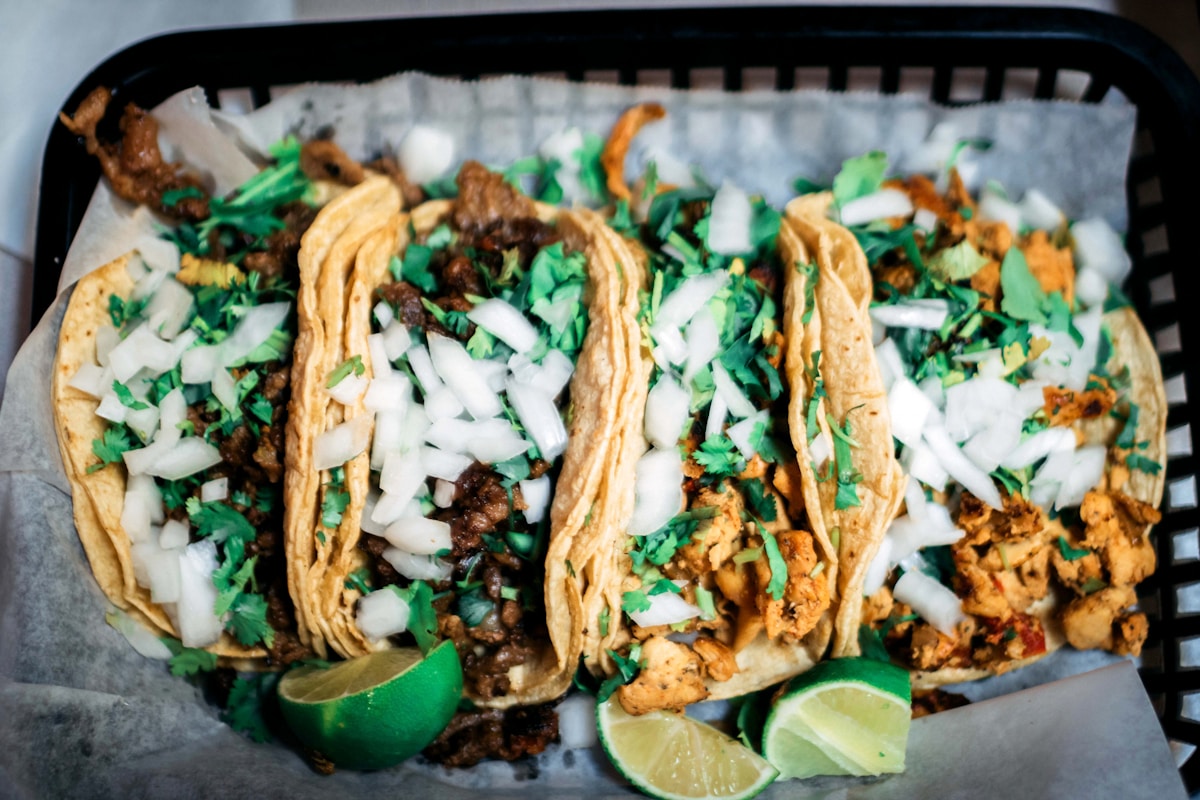
Eskişehir’s food culture has two distinct layers: the Crimean Tatar heritage that arrived with the 19th-century migrations and became the city’s specific culinary identity, and the contemporary student-city food culture that makes Eskişehir more diverse and progressive in its restaurant scene than almost any other Turkish inland city.
The Tatar layer is the more interesting - a Central Asian pastry and dumpling tradition that was carried across Crimea, adapted through the centuries of Ottoman and Crimean Tatar interaction, and transplanted to the Anatolian plateau in the 1860s. The result is a city where fried pastry (çibörek), hand-made dumplings (Tatar mantısı), and extremely thin yufka are local specialities with a traceable historical origin.
The Crimean Tatar migration
The Crimean Tatars - a Turkic people of the Crimean Peninsula - experienced three waves of major migration from their homeland following Russian conquest: after the Russo-Turkish War of 1768–1774, after 1783, and the largest wave after the Crimean War (1853–1856) and Russian expansion of the 1860s. The Ottoman government settled the refugees across Anatolia; Eskişehir received a significant Tatar community.
The Tatars brought with them: the çibörek pastry tradition, the mantı dumpling tradition (distinct from the Persian-influenced Kayseri mantı - the Tatar version being larger and from a Central Asian rather than Silk Road tradition), specific börek techniques (the extremely thin yufka), and a coffee culture with its own social customs.
Four generations later, the descendants of the Tatar migrants are fully integrated into Turkish society, but their culinary contributions have been retained and absorbed into “Eskişehir food” - the city owns these dishes with pride, and the food narrative is increasingly being told with its origin story intact.
The çibörek tradition in depth
The çibörek is technically precise: the dough must be rolled thin enough to become partially translucent when fried; the lamb and onion filling must be seasoned correctly (the onion sweated rather than raw, which would release water during frying and make the pastry soggy); the oil temperature must be high enough to crisp the pastry immediately without absorbing excess oil.
The best çibörek shops (the local term is çiböreciler) have been operating for decades. The skill is in the rolling - machines can produce a consistent dough thickness, but the experienced hand-roller reads the dough’s resistance and adjusts. A well-made çibörek is light despite being fried; a poorly made one is greasy and dense.
The ritual: In Eskişehir, eating çibörek is not casual snacking but a specific social practice - the morning çibörek run with colleagues; the Sunday çibörek breakfast with family. The shops that have been operating for 40 or 50 years have regulars who have been coming since childhood.
The mantı comparison
Turkey has two main dumpling traditions: the Kayseri mantı (tiny folded dumplings, often hundreds in a serving, requiring a specific pasta-thinness and fold technique) and the Tatar mantısı (larger pockets, more filling-forward, from a different regional tradition). Both are served with yoghurt, melted butter, and dried mint - the finishing elements are identical; the dumplings themselves are not.
Eskişehir’s Tatar mantısı are the only version of this specific tradition readily available outside the dedicated Tatar communities of the Marmara and western Anatolian regions. Finding them in Eskişehir is trivial; finding them in Ankara requires specific searching; finding them in Istanbul requires knowing exactly where to look.
Çanak peyniri - the local cheese
The plateau villages around Eskişehir produce a specific fresh cheese stored in earthenware pots (çanak - the word means bowl or dish). The storage in clay allows a slow mild fermentation that gives çanak peyniri a slightly tangy finish absent in generic white cheese.
The cheese is best consumed fresh - within two to three weeks of production. The market stalls and village producers sell at low prices (₺150–200/kg); the specialty shops sell the higher-end production (₺250–350/kg). Neither is expensive relative to the quality.
The combination of çanak peyniri and plateau honey (acacia honey is the predominant variety) represents the Eskişehir breakfast tradition at its best - a simple combination that works because both ingredients are genuinely good.
The student food culture
Anadolu University’s 100,000+ students have created a food scene that has no parallel in other Turkish inland cities:
International food: Falafel, hummus, wraps, salad bars - common in the student café zone and canal area. Not traditional; useful for dietary variety.
Café culture: The Porsuk Canal area has an unusually dense concentration of coffee shops - the student population demands it. Specialty coffee (filter, pour-over, cortado) is available at a quality level usually only found in Istanbul and İzmir.
Alcohol: Widely available - the student-city character means meyhanes, bar-restaurants, and alcohol-serving canal-side cafés are standard. Eskişehir has a more liberal drinking culture than Konya (almost none) or Mardin.
Price: Student economics keep the lokanta and street food prices low - the gap between Eskişehir’s food costs and Istanbul’s equivalent is significant.
The gözleme culture
Gözleme - thin flatbread cooked on a griddle - exists everywhere in Turkey but has a specific quality in Eskişehir tied to the Tatar influence on pastry technique. The thinness of the dough and the attention to the cooking temperature (the sac griddle must be exactly right - too hot scorches, too cool makes a doughy result) are the markers of quality.
The bazaar gözlemeciler produce gözleme for tourists, but the product is authentic; the technique behind the tourist show is the same technique that produces the gözleme eaten at home.
Food summary
| Category | Key products | Character |
|---|---|---|
| Tatar pastry | Çibörek, Tatar mantısı | The city’s defining food identity |
| Local dairy | Çanak peyniri, local honey | Plateau agriculture |
| Pastry tradition | Gözleme, börek, thin yufka | Tatar-influenced technique |
| Student-city food | International cafés, specialty coffee | Contemporary diversity |
Eskişehir’s food argument is modest but specific: çibörek and Tatar mantısı are available nowhere else in Turkey at this quality and availability; the çanak cheese and plateau honey are genuinely good; and the student city food culture provides more diversity than you would expect from an inland Anatolian city of 900,000.
Dishes and products to try in Eskişehir
Çibörek
A half-moon deep-fried pastry of Crimean Tatar origin - the dough stretched thin enough to become partially translucent when fried, filled with seasoned minced lamb and onion. The result is a crisp, slightly translucent pastry with a juicy, aromatic filling. ₺30–60 per piece. A lunch of 2–3 çibörek + ayran: ₺100–200.
Dedicated çiböreciler in the city centre and bazaar area - look for shops with a queue of regulars and a visible frying pan. Traditionally eaten as breakfast or lunch (08:00–14:00); shops typically sell out by mid-afternoon.
Tatar mantısı
The Crimean Tatar dumpling - larger than Kayseri-style mantı, with a coarser dough and more substantial meat filling. Dough pockets filled with minced lamb and onion, boiled, served with yoghurt, melted butter, and dried mint. ₺120–200 per portion. Found at traditional restaurants throughout the city; more common here than anywhere else in Turkey.
Çanak peyniri
The local fresh cheese stored in earthenware pots (çanak) - white, slightly brined, creamy, mild, with a gentle tang from the slow fermentation in clay. ₺150–300/kg at market stalls; ₺200–400/kg at specialty cheese shops. At its best for breakfast with local acacia honey and fresh bread. Available at the bazaar area in Odunpazarı, the city market, and dedicated cheese shops.
Gözleme
Thin flatbread cooked on a griddle with various fillings. Standard fillings: spinach and cheese (ıspanaklı peynirli); potato (patatesli); minced lamb (kıymalı). ₺80–150 depending on filling and size. The bazaar area has gözleme stations - the product is authentic even where tourist-oriented.
Local börek varieties
- Su böreği: Layers of thin pastry, parboiled and baked with cheese filling; almost pasta-like in texture
- Kol böreği: Rolled thin pastry with cheese or spinach
- Tatar böreği: The thin-pastry version specific to the local tradition
₺60–120 per slice or portion. Bakeries and börek shops throughout the city.
The Tatar food trail
A focused two to three hour itinerary for Eskişehir’s Tatar food heritage: morning çibörek at a city-centre specialist (08:00–10:00); visit the bazaar for çanak peyniri and fresh gözleme (10:00–12:00); traditional restaurant for Tatar mantısı at lunch (12:00–14:00). Under ₺400 total.
Price summary
| Dish | Price | Origin | Where |
|---|---|---|---|
| Çibörek | ₺30–60/piece | Crimean Tatar | Çibörek shops |
| Tatar mantısı | ₺120–200 | Crimean Tatar | Traditional restaurants |
| Çanak peyniri | ₺150–300/kg | Local plateau | Bazaar, cheese shops |
| Gözleme | ₺80–150 | Turkish/Tatar | Bazaar, markets |
| Local börek | ₺60–120 | Tatar influenced | Bakeries |
Make the most of the food scene: Book a food tour of Eskişehir to sample the standout local spots with a guide who knows where residents actually eat. An eSIM for Turkey keeps you connected for navigating neighbourhoods and checking restaurant hours on the go.