Eskişehir Travel Guide: Student City on the Porsuk
Eskisehir guide covers Odunpazarı Ottoman houses, Porsuk Canal, meerschaum workshops and why Turkey's student city rewards a stopover.
Guides for Eskişehir
Eskişehir is Turkey’s university city par excellence - a population of 900,000 anchored by Anadolu University (over 100,000 students), a younger demographic profile than almost any other Turkish city of its size, and a civic identity built around arts, progressive politics, and the Porsuk Canal waterfront. The city has invested seriously in public space: the canal-side promenade, the restored Odunpazarı Ottoman district, the contemporary tram system, and a concentration of museums and cultural centres that outpunches the city’s modest international profile.
For travellers, Eskişehir is a genuine discovery - not on the standard Istanbul-Cappadocia-coast circuit, but accessible from Ankara (1.5 hours by high-speed train) and Istanbul (3.5 hours by high-speed train), with enough to justify two to three days.
Why visit Eskişehir
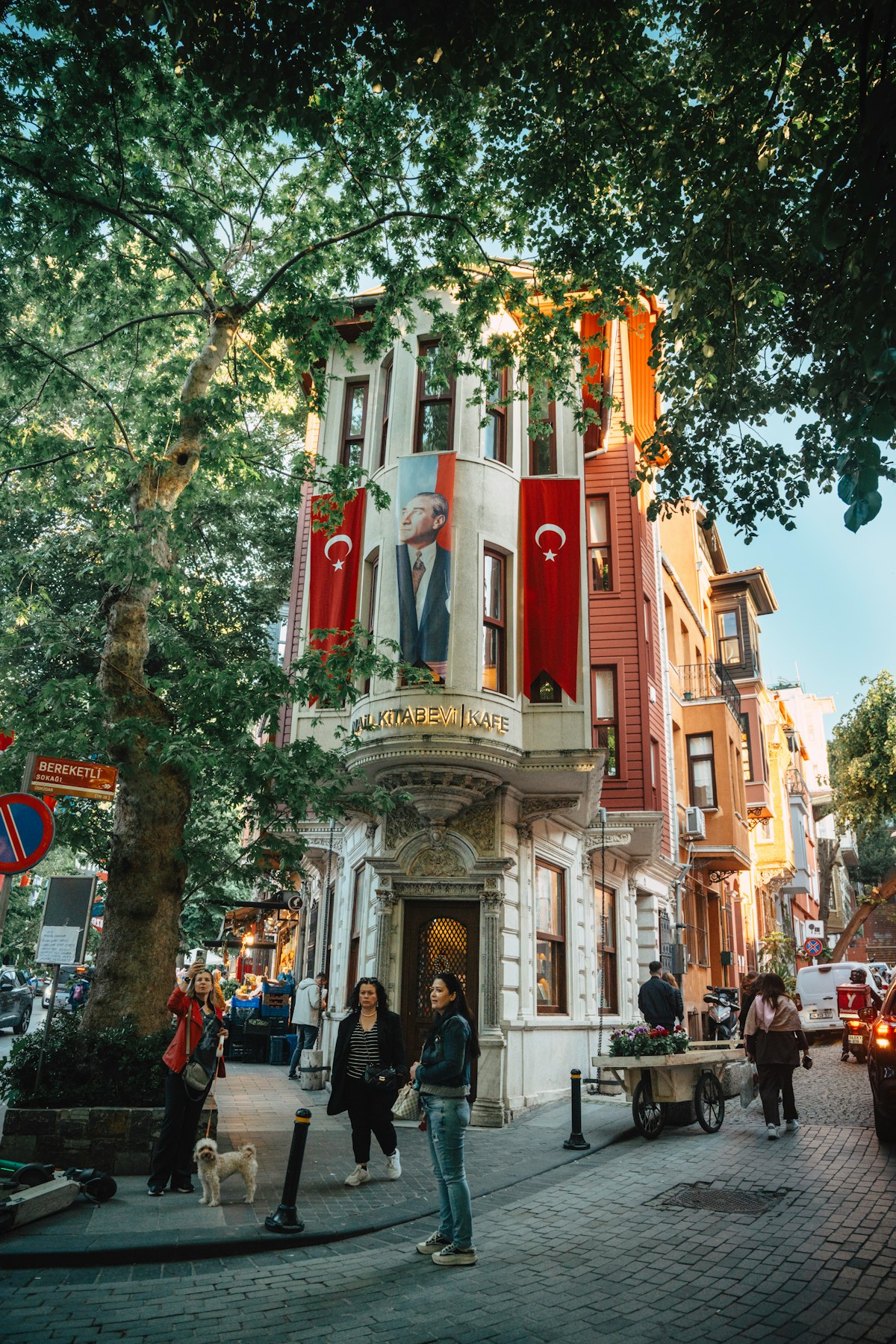
Odunpazarı: The restored Ottoman timber-frame district, its coloured wooden houses on the hillside above the Porsuk, is the most visually striking neighbourhood in western Anatolia - better preserved than comparable districts in Ankara or Bursa, recently the subject of major restoration investment. The Odunpazarı Modern Museum (OMM, opened 2019) has brought serious contemporary art to the district.
Porsuk Canal: The canal waterfront - gondolas, canal-side cafés, the Adalar (islands) park area - is Eskişehir’s social centre. The gondola boats are a tourist novelty but the waterfront genuinely works as urban public space.
Meerschaum (lületaşı): Eskişehir sits on one of the world’s largest deposits of sepiolite clay - the raw material for meerschaum pipes. The city’s meerschaum carving tradition (400+ years) produces work of technical excellence; the bazaar and dedicated shops sell pipes and decorative objects.
The student atmosphere: Eskişehir has a cosmopolitan, socially liberal energy unusual in Turkey outside Istanbul and İzmir. The café and bar culture reflects Anadolu University’s 100,000+ students; the city’s nightlife and cultural calendar are disproportionately rich for its size. Browse Eskişehir tours and activities on GetYourGuide for guided walks through Odunpazarı, Porsuk Canal gondola rides, and meerschaum carving workshops with local artisans.
High-speed rail access: YHT (high-speed train) from Istanbul Halkalı: 3.5 hours. From Ankara: 1.5 hours. Eskişehir is on the Istanbul–Ankara high-speed line and is trivially accessible as a long weekend trip from either city.
Neighbourhoods
Odunpazarı: The old city district - Ottoman houses, the OMM, meerschaum workshops, boutique hotels, the most atmospheric streets. Walking distance from the tram. Best for first-time visitors.
City centre (Şehir Merkezi): The modern commercial centre around the main tram line - cafés, restaurants, the bazaar, affordable accommodation.
Porsuk Canal area: The waterfront strip between the old city and the centre - where the canal gondola operators dock, the Adalar park islands are connected by footbridges, and the highest concentration of student cafés cluster.
University district: The Anadolu University campus area - working cafés, budget accommodation, the lowest prices in the city.
Quick facts
| Fact | Detail |
|---|---|
| Population | ~900,000 |
| Elevation | 790m |
| Airport | Hasan Polatkan (AOE), 15km from city; İstanbul or Ankara often more practical |
| High-speed train | Istanbul: 3.5 hrs; Ankara: 1.5 hrs |
| Best season | May–June, September–October |
| Known for | Odunpazarı, meerschaum, student culture, OMM |
Getting there
Train (recommended): YHT from Istanbul Halkalı (3.5 hours, ₺150–300) or Ankara (1.5 hours, ₺80–150). The train station is in the city centre, walking distance from the canal. This is the best access option.
Bus: Otogar (intercity bus terminal) has connections from most Turkish cities - 4.5 hours from Istanbul (₺150–250), 2 hours from Ankara (₺80–120).
Car: Istanbul via the TEM motorway: 280km, approximately 3.5 hours. Ankara via D200/E90: 230km, 2.5 hours.
When to visit
May–June: The best months - spring wildflowers in the surrounding Eskişehir plateau, pleasant café temperatures, university in session (full city energy).
September–October: Autumn colour on the Porsuk and in Odunpazarı; the university resumes after summer; comfortable temperatures.
July–August: Hot (30–35°C days) but the student population drops significantly - the city is quieter and slightly emptier. The canal and Odunpazarı still work.
December–February: Cold (−5 to 5°C, occasional snow) but the city functions - heated cafés, the OMM, meerschaum workshops. The university is in session; energy remains.
Eskişehir sits on the Istanbul–Ankara high-speed rail line, making it easy to combine with Istanbul (3.5 hours) or Ankara (1.5 hours) - it is the natural midpoint stop on a rail trip between Turkey’s two main cities. The Istanbul day trips guide covers Eskişehir as an alternative to Edirne and Bursa for day-trippers from Istanbul. Safranbolu (3 hours north of Ankara, accessible via Karabük) is another historic Ottoman town that pairs well for a 2-city heritage break.
Explore Eskişehir
- Things to do in Eskişehir
- Where to stay in Eskişehir
- Best hotels in Eskişehir
- Best restaurants in Eskişehir
- Food to try in Eskişehir
- Vegan food in Eskişehir
- Best cafes to work in Eskişehir
- Eskişehir food guide
- History of Eskişehir
- Hiking near Eskişehir
- Digital nomad in Eskişehir
Search hotels in Eskisehir on Booking.com
Getting there: Flights to Turkey connect via Istanbul with most European carriers. For a door-to-door arrival, pre-book an airport transfer for fixed-price, hassle-free pickup. An eSIM for Turkey activates before you land and keeps you connected from the moment you clear arrivals.
Book an experience
Top experiences in Eskişehir
Explore the best tours and activities in Eskişehir, with instant confirmation and free cancellation on most bookings.
Find hotels in Eskişehir
Explore accommodation in Eskişehir →We earn a small commission at no cost to you.